
At a glance
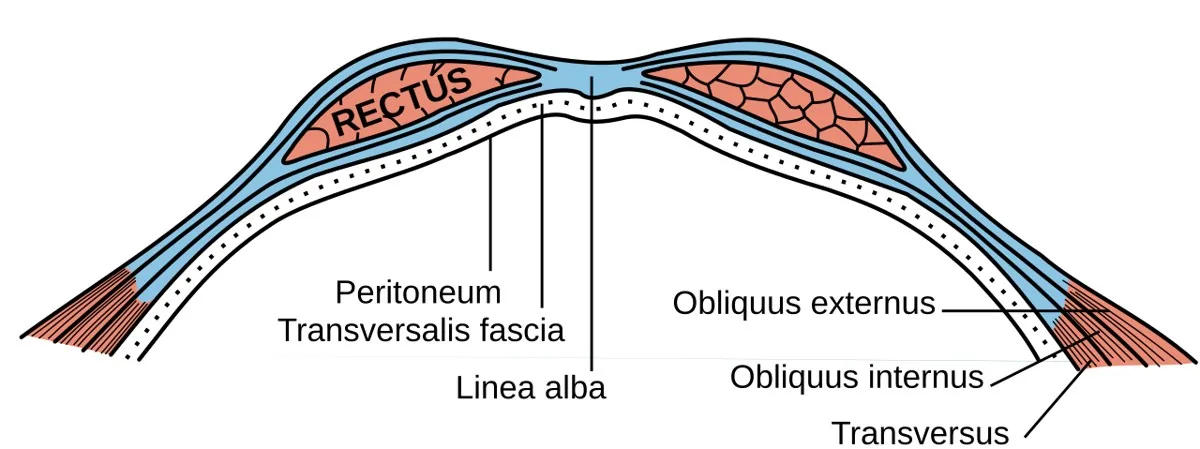
- 1Diastasis recti is a widened gap between the tummy muscles. It is common during pregnancy and after birth.
- 2Gentle, guided core and breathing work aims to rebuild strength.
What is diastasis recti?
Diastasis recti is the medical name for a wider-than-usual gap between the two long muscles down the front of your tummy. During pregnancy, the connective tissue that joins the left and right sides stretches, and the muscles move apart. It is very common during pregnancy and after delivery.
Many expectant and new mothers do not know what it is, or whether they have it. You might notice a ridge, bulge or doming down the middle of your tummy, often when you sit up from lying down. Some women say their core feels weak or unsteady.
It can come with low back pain, hip pain, pain around the pelvis or general tummy discomfort. Some women also have trouble with leaking urine. These changes can have other causes too. The best next step is an assessment by a physiotherapist.
Body image can be hard too. Some mothers find their tummy still looks pregnant long after birth, and people may ask when the next baby is due. If this sounds familiar, you are not alone. It is never too late to ask for help.
Common causes
Outside pregnancy, diastasis recti can also affect men and women, for example after big weight changes. Some abdominal exercises done the wrong way may add strain too. Things that can play a part include:
- Pregnancy. As your baby grows, your tummy wall stretches to make room.
- Unsuitable tummy exercises. Some abdominal exercises, done the wrong way, can put extra strain on the middle of your tummy.
- Big weight changes. Large changes in body weight can also affect the tummy wall.
Knowing the cause is not about blame. It simply helps your physiotherapist understand your body and plan the right steps for you.
How physiotherapy at Mobiphysio can help
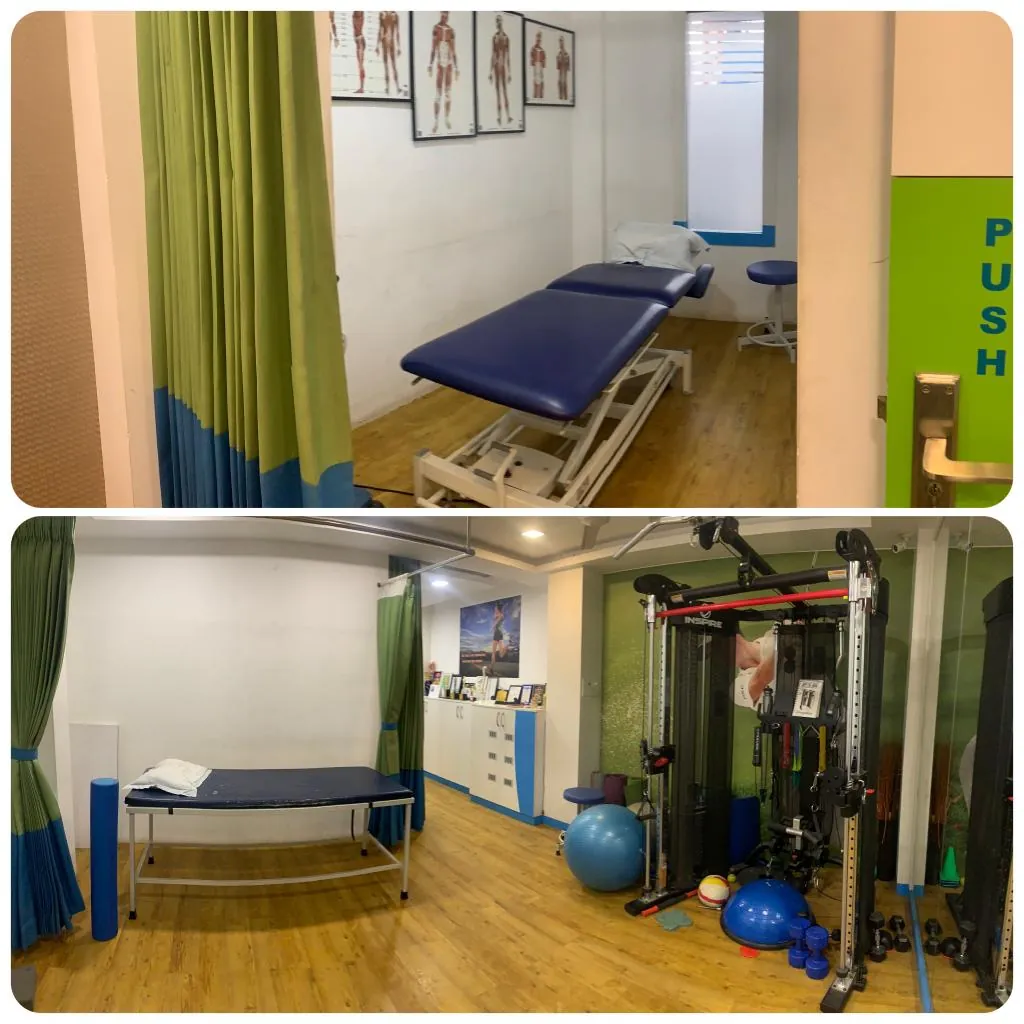
Pregnancy and after-birth care at Mobiphysio starts with your doctor's okay. Once you have that, treatment is one-on-one and begins with a thorough assessment. Women's health sessions take place in a private room.
Our diastasis recti care is led by Dr. T.R. Vandana, PT, with a team of physiotherapists. We build a programme around you. Our aim is to help you move toward a stronger, steadier core. We listen, and you decide.
Your plan may include:
- Deep core rebuilding.Your physiotherapist designs a step-by-step exercise plan for you. It aims to rebuild strength and control in your deep core. It may include stability exercises and exercises that help your core and pelvic floor muscles work together. Dr. T.R. Vandana is trained in Dynamic Neuromuscular Stabilization (DNS). Ask us whether DNS exercises, which train breathing and deep core control, may suit you.
- Breathing and posture.Small changes to posture, movement and breathing can change how your deep core works. They can also change how it handles pressure inside the tummy. Your physiotherapist can help correct your breathing pattern so it supports your core.
- Pelvic floor check.Your pelvic floor works closely with the rest of your core. A pelvic floor assessment may be suggested. It looks at your history, posture, breathing and how the muscles work.
- Guided exercise balance.We help you find the right mix of exercises for your body, so you can progress with confidence. Your plan is adjusted as you go.
Every person is different, and results vary. We aim to help you rebuild strength step by step, at a pace that suits you.
What to expect at your visits
Your first visit takes 45 to 60 minutes, and follow-up visits take 30 to 45 minutes. Each visit is one-on-one. Here is what usually happens at the first visit:
- We listen to your story, symptoms and goals, including your pregnancy and birth.
- Your physiotherapist assesses your core, posture and breathing.
- A pelvic floor assessment may be suggested. We explain every step first, and you decide.
- You leave with a clear plan and simple exercises to start.
At follow-up visits, your physiotherapist checks how you are doing and adjusts your exercises. Please ask questions at any time.
Bring any reports, scans or prescriptions you have. You can also ask for a female physiotherapist at either branch. Staff speak Tamil and English.
Things you can try at home
These ideas are gentle and suit most people. Start once your doctor has given the okay, whether you are pregnant or have had your baby. Stop and get advice if pain gets worse.
- Gentle core breathing.
Sit tall, or lie on your side with your knees bent. Rest one hand on your lower tummy. Breathe in slowly. As you breathe out, gently draw your lower tummy in. Relax again on the next breath in.
- Roll to get up.
To get out of bed, bend your knees and roll onto your side. Then push up with your arms as you lower your legs over the edge. This helps you avoid a sit-up style movement each time you get up.
- Pause sit-ups and crunches.
Avoid sit-ups, crunches and similar exercises for now, until a physiotherapist has assessed you. Lifting both legs while lying on your back is one example of a similar exercise. If you notice doming down the middle of your tummy during any movement, ease off and ask us about it.
- Lift and carry with care.
When you lift your baby, bend your knees, hold your baby close and breathe out as you lift. Keep your shoulders relaxed. Through the day, sit and stand tall. Small posture changes may help your deep core work better.
If anything hurts or pain gets worse, stop and get advice. Message us on WhatsApp or call, and we can guide you.
Common questions
Can physiotherapy help diastasis recti?
It can help. Many people benefit from individualised strengthening, posture and breathing guidance. Results differ from person to person.
Is it too late if my baby was born years ago?
It is never too late to ask. If your tummy still looks different years after pregnancy, we can assess it with you. Then we can plan gentle steps from there.
Should I stop doing sit-ups and crunches?
For now, it is best to avoid sit-ups and crunches until a physiotherapist has assessed you. Your physiotherapist can show you gentler exercises that suit your body.
Can I start physiotherapy after a caesarean birth?
Pregnancy and after-birth care at Mobiphysio starts with your doctor's okay. After a caesarean, follow your surgeon's instructions alongside physiotherapy. Your physiotherapist will plan gentle steps that fit around your surgeon's instructions.
Can I ask for a female physiotherapist?
Yes. You can ask for a female physiotherapist at either branch when you book. Women's health sessions are one-on-one in a private room.
Do I need a doctor's referral to book?
No referral is needed to book at Mobiphysio. For pregnancy and after-birth care, we start with your doctor's okay. This is not a referral letter. It is your doctor confirming that physiotherapy is fine for you now. Please bring any note or reports from your doctor, and any scans or prescriptions you have.
Book an assessment
 Mobiphysio physiotherapists · RS Puram and Goldwins
Does your tummy still look different after pregnancy, or does your core not feel as strong? We can assess this with you. WhatsApp or call Mobiphysio on +91 73385 65909 to book your diastasis recti assessment.
Dr. T.R. Vandana, PT, has 25+ years of experience in physiotherapy and has treated 3000+ patients with her team.
Choose the branch that suits you:
- RS Puram: No.28, Captain Palaniswamy Layout, opposite the municipal park, RS Puram, Coimbatore 641 002. Open Monday to Saturday, 10 AM to 8 PM.
- Goldwins, Avinashi Road: 11/23, Avinashi Road, opposite Sri Sai Dental Clinic, Karuparampalayam Pirivu, Coimbatore 641 014. Open Monday to Saturday, 8 AM to 1 PM and 4 PM to 8 PM.
Both branches are closed on Sundays and major festival days (Pongal, Diwali). Both have ample car parking.
Tell us when you book if stairs are hard for you.