
At a glance
- 1Low back ache in pregnancy is often linked to posture and body changes.
- 2With your doctor's okay, gentle one-on-one physiotherapy may ease discomfort.
What is back pain in pregnancy?
Back pain in pregnancy is an ache, stiffness or tired feeling in the lower back while you are expecting. Many women notice it as the bump grows, though it can start at any stage. It may feel worse after standing in the kitchen, long sitting, housework or carrying an older child.
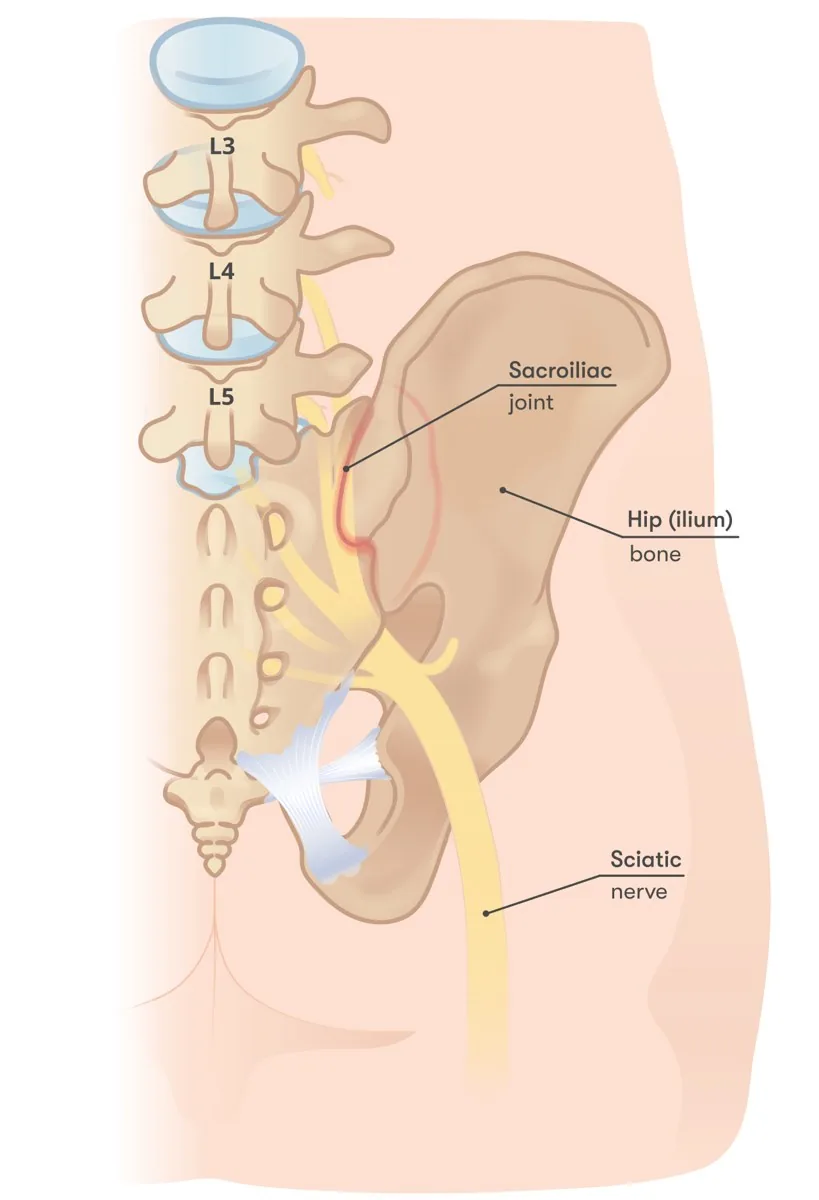
Some women feel pain lower down. It may be at the back of the pelvis or in the buttocks. It may also be at the front over the pubic bone, sometimes spreading to the groin or thighs. This is often called pelvic girdle pain, and we have a separate guide on pelvic girdle pain. Pain can be felt in more than one place, so an assessment helps your physiotherapist understand where it is coming from.
You do not have to simply put up with back ache as "part of pregnancy". Gentle care and small changes may help you feel more comfortable.
Common causes
Several changes in pregnancy can add up to a sore back:
- A growing bump. As your baby grows, more of your weight is carried at the front. Many women lean back a little to balance, which can load the lower back.
- Softer ligaments. Pregnancy hormones are thought to make the ligaments around your pelvis softer and stretchier, ready for birth. This may make your back and pelvis feel less steady.
- Stretched tummy muscles. Your tummy muscles stretch to make room for your baby. They may give your back less support than before.
- Daily load. Long hours standing at the stove, sitting at work or in traffic, sweeping, washing and lifting children can all add strain.
- Tiredness and poor sleep. When you are tired, it is harder to hold a comfortable posture. Some sleeping positions can leave you stiff.
Not everyone has all of these. Your physiotherapist will look at what may be adding to your pain and plan care around you.
How physiotherapy at Mobiphysio can help
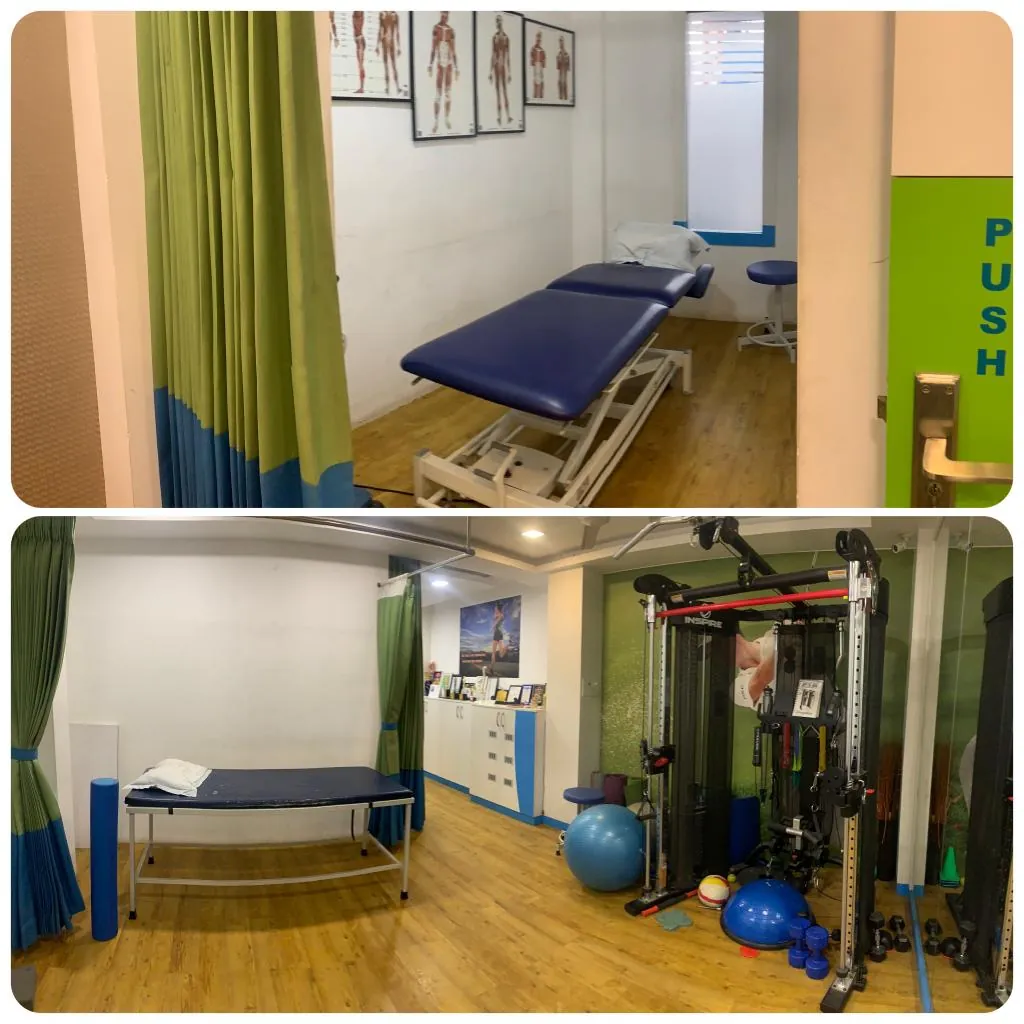
Care during pregnancy at Mobiphysio starts with your doctor's okay. Once your doctor is happy for you to have physiotherapy, we plan gentle care around your stage of pregnancy and how you feel on the day. Sessions are one-on-one in a private room, and you can ask for a female physiotherapist.
Depending on your assessment, your plan may include:
- Gentle hands-on care.Your physiotherapist uses manual therapy. These gentle techniques aim to ease tight muscles and stiff joints and help you move more comfortably. You can ask to pause or change position at any time.
- Posture advice for daily life.We look at how you stand, sit, sleep and lift. We then suggest small changes for cooking, washing, office work and caring for older children.
- Gentle exercises chosen for pregnancy.These are stretches and strengthening exercises that aim to support your back, hips and core. Your physiotherapist shows you each one and adjusts the plan as your bump grows.
Our aim is to ease discomfort and help you stay active and confident through your pregnancy. We explain what we suggest and why, and you decide what feels right for you.
What to expect at your visits
Your first visit takes 45 to 60 minutes. Follow-up visits take 30 to 45 minutes. Here is what usually happens at the first visit:
- We listen to your story: how many weeks pregnant you are, where it hurts and what makes it better or worse.
- Your physiotherapist checks your back, your posture and how you move. They may test key muscles with gentle pressure.
- We explain in plain language what may be adding to your pain and suggest a plan.
- You may begin gentle treatment or learn simple exercises to try at home.
Please bring any reports, scans or prescriptions you have. You do not need a doctor's referral to book, but care during pregnancy needs your doctor's okay. Please bring any note or reports from your doctor.
At follow-up visits, your physiotherapist checks how you are doing. They adjust your exercises as your pregnancy moves along.
Our team speaks Tamil and English. Tell us when you book if stairs are hard for you.
Things you can try at home
These ideas are gentle and general. Before you try the pelvic tilts, make sure your doctor is happy for you to exercise.
- Sit with good support.
Sit well back in a firm chair with your feet flat. Place a small cushion or rolled towel behind your lower back. On long days, get up and move about now and then.
- Pillow between the knees.
When you lie on your side, place a pillow between your knees. You can also put another under your bump if it feels comfortable. This can help keep your hips and lower back in an easier position.
- Gentle pelvic tilts.
Stand with your back against a wall and your knees slightly bent. Gently flatten your lower back towards the wall, then relax. Repeat slowly a few times, keeping the movement small and your breathing easy.
- Lift with care.
Follow any lifting limits your doctor has given you. When you lift an older child, bend your knees, keep your child close and avoid twisting. Where you can, sit down and let your child climb onto your lap. Ask for help with heavy loads.
- Change position often.
If you stand for long, such as while cooking, keep your weight even on both feet and take short sitting breaks. Do the same during long spells of housework.
Stop and get advice if pain gets worse. Your physiotherapist can check how you do these and suggest others that suit you.
Common questions
Is physiotherapy safe while I am pregnant?
Care during pregnancy starts with your doctor's okay. After that, your physiotherapist uses gentle hands-on care, posture advice and exercises chosen for pregnancy. We adjust the plan as your pregnancy moves along.
Is my pain back pain or pelvic girdle pain?
Pain can be felt in the lower back, around the pelvis or both. Your physiotherapist will assess you to understand where it is coming from. Our separate guide on pelvic girdle pain explains more.
Can I still lift my older child?
If your doctor has not asked you to avoid lifting, lift with care: bend your knees, keep your child close and avoid twisting. Sitting down and letting your child climb onto your lap can be easier on your back. Your physiotherapist can show you other ways that suit you.
Can physiotherapy help after my baby is born?
It can help. After-birth care starts with your doctor's okay, just like care in pregnancy. Your physiotherapist will check how you are moving and plan gentle next steps with you.
Do I need a doctor's referral?
No referral is needed to book. For care during pregnancy or after birth, we need your doctor's okay. Please bring any note or reports from your doctor, and any scans or prescriptions you have.
Can I ask for a female physiotherapist?
Yes. You can ask for a female physiotherapist at both branches. Just mention it when you book. Women's health sessions are one-on-one in a private room.
Book an assessment
 Mobiphysio physiotherapists · RS Puram and Goldwins
If back pain is making your pregnancy harder, we are here to help. WhatsApp or call us on +91 73385 65909 to book an assessment. Do you have questions before you book? Message us on WhatsApp or call; we will answer your questions.
Mobiphysio is a team of dedicated physiotherapists led by Dr. T.R. Vandana, PT. We have 25+ years of experience in physiotherapy and have treated 3000+ patients. Visit us at either branch:
- RS Puram: No.28, Captain Palaniswamy Layout, opposite the municipal park, RS Puram, Coimbatore 641 002. Monday to Saturday, 10 AM to 8 PM. Google Maps
- Goldwins, Avinashi Road: 11/23, Avinashi Road, opposite Sri Sai Dental Clinic, Karuparampalayam Pirivu, Coimbatore 641 014. Monday to Saturday, 8 AM to 1 PM and 4 PM to 8 PM. Google Maps
Both branches have ample car parking. Both are closed on Sundays and major festival days (Pongal, Diwali).