
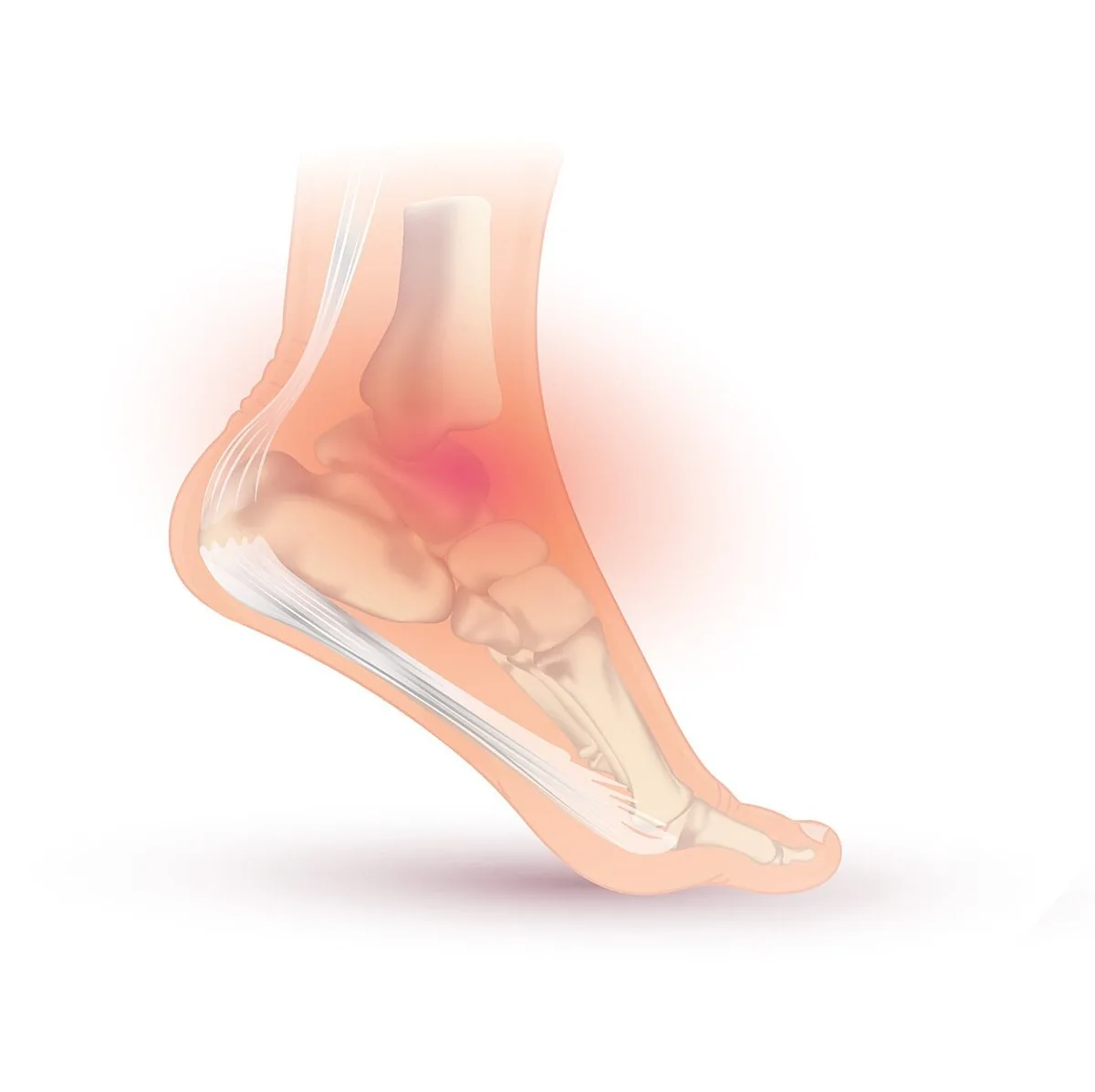
At a glance
- 1Swelling is fluid that collects as your body responds to injury.
- 2Guided movement, compression and hands-on care may ease swelling and pain.
What is swelling after a sports injury?
When you sprain an ankle, strain a muscle or take a knock, the tissues in that area are hurt. Your body responds straight away by sending extra blood and fluid to the injured spot. Tiny blood vessels in the area widen and let fluid leak into the tissues. This response is called inflammation, and it is part of the body's natural healing process.
A sprain or knock can also cause a little bleeding under the skin, which shows as bruising. The fluid that collects around the injury is the puffiness you can see. The area may also be warm, tender or tight to touch, and the nearby joint or muscle may be stiff.
Swelling has a purpose, but it can still get in the way. It can make these things uncomfortable:
- walking
- climbing stairs
- bending your knee
- putting on a shoe
Many active people also worry about getting hurt again when they return to sport.
Every injury is different, so it helps to have a physiotherapist assess the area and how you move. They can then plan care around your injury and your sport.
Common causes
Swelling can follow many kinds of sports and exercise injuries. Some common ones are:
- Ankle sprains, such as landing awkwardly in basketball or turning your foot while running on uneven ground
- Knee sprains, including injuries to knee ligaments such as the ACL (anterior cruciate ligament)
- Muscle strains, such as hamstring or calf strains when sprinting, kicking or changing direction
- Knocks and bumps from a fall, a tackle or a ball in cricket, football or hockey
- Overuse or strain during activity, such as doing too much too soon after a break from training
You do not need to work out the cause yourself. Your physiotherapist will ask how it happened and check the area before suggesting a plan.
How physiotherapy at Mobiphysio can help
At Mobiphysio, treatment is one-on-one and always starts with a thorough assessment. Dr. T.R. Vandana, PT, and her team of physiotherapists look at the whole picture: your injury, your sport and your daily routine. We aim to ease swelling and pain, support your body's natural healing and help you move with confidence again.
Your physiotherapist will choose what suits your injury. This may include:
- Gentle guided movement and exercises.Exercises designed by your physiotherapist aim to strengthen muscles, improve stability and lower the risk of re-injury. They start gently and build up as your body allows.
- Compression garments and support.We may recommend garments that give steady pressure to help reduce swelling. Your physiotherapist will explain how to wear them.
- Hands-on care.Manual lymphatic drainage (MLD) uses gentle hands-on techniques that aim to help fluid drain away from the area so swelling can settle. As the area settles, your physiotherapist may also use other hands-on methods where suitable, such as Mulligan or Stecco techniques.
- Advice for home.In the first days, protecting the area, raising it and using compression may help control swelling, alongside gentle movement within comfort. We explain how to do this safely at home.
For a recent sports injury, your physiotherapist may also check whether cryotherapy suits you. Cryotherapy uses controlled cold. At Mobiphysio, it is used only for recent (acute) sports injuries. You can read more in our cryotherapy guide.
We listen, and you decide. Your physiotherapist will explain each step, so you know what is being done and why.
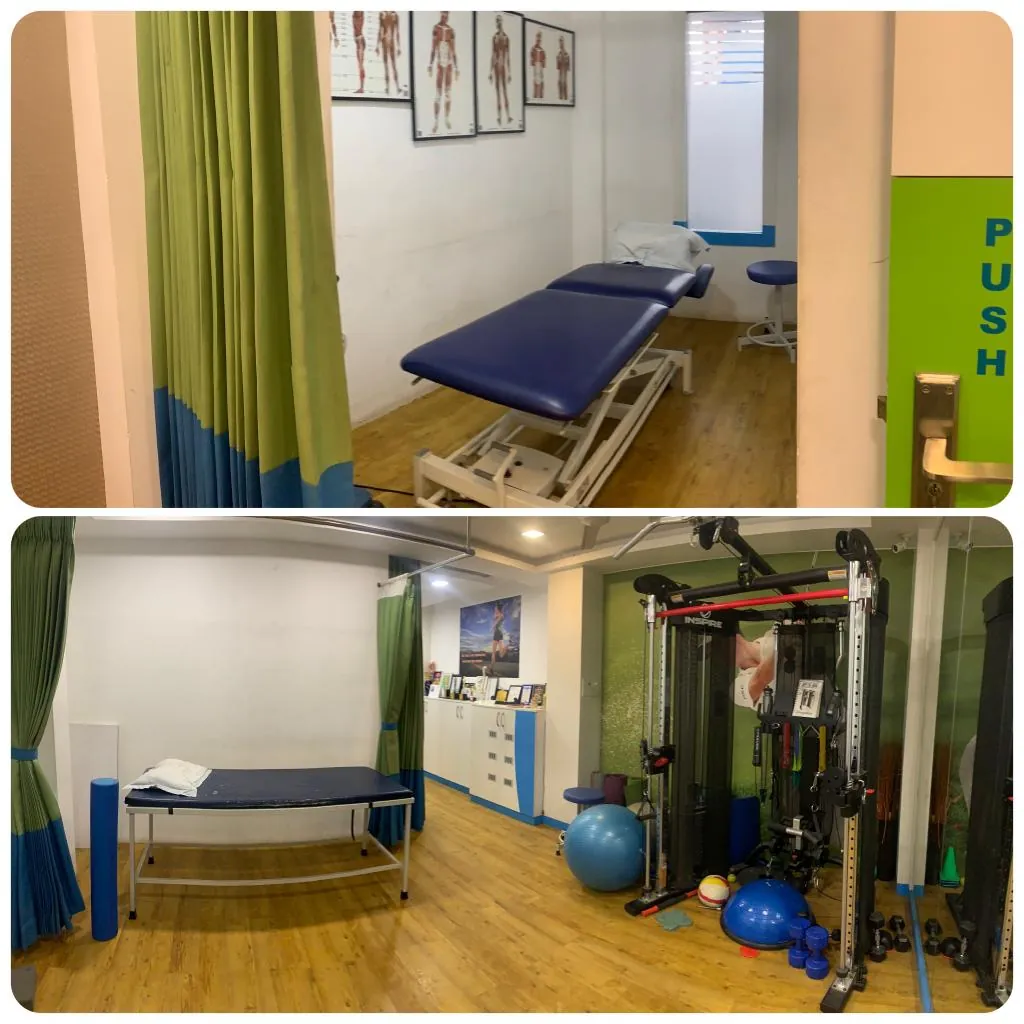
What to expect at your visits
Your first visit takes 45 to 60 minutes, and follow-up visits take 30 to 45 minutes. Treatment is one-on-one with a physiotherapist.
At your first visit:
- We listen to how the injury happened and how it affects your day, training and sport.
- Your physiotherapist examines the swollen area and checks how you move.
- We explain a care plan suited to you, step by step, and answer your questions.
- You may begin gentle treatment, with advice for home.
At follow-up visits, your physiotherapist checks how the area is settling and adjusts your plan as needed. Exercises usually build up gradually, with the aim of helping you return to your activity with confidence.
Bring any reports, scans or prescriptions you have. Staff speak Tamil and English, so you can explain your injury in either language.
Things you can try at home
These ideas are gentle, general and safe for most people after a sprain, strain or knock. They do not replace an assessment. Stop and get advice if pain gets worse.
- Rest it raised.
Support the whole leg along its length on pillows, not just under the knee. The injured area should sit a little higher than your heart, if that is comfortable. This may help fluid drain away from the area.
- Wrapped cold pack.
Wrap a cold pack or ice in a thin cloth and place it on the area for about 10 to 15 minutes. Never put ice straight on the skin. Remove it if the skin becomes very cold or numb. Skip this, or ask your physiotherapist first, if you have poor circulation or reduced feeling in your skin.
- Move gently within comfort.
Move nearby joints without pushing into pain. For example, gently point your foot down and pull it back up, or slowly bend and straighten your knee. This may help ease stiffness.
- Ease back gradually.
Avoid going straight back to full training or matches while the area is still swollen and sore. Your physiotherapist can guide a gradual return to sport.
Common questions
Should I use ice or heat on a swollen sports injury?
For a recent sports injury, many people find a cold pack wrapped in a thin cloth soothing. Heat, such as a hot water bag or hot fomentation, is usually avoided on a fresh, swollen injury because it may add to the swelling. Ask your physiotherapist before using heat as the area settles.
Can I keep playing with a swollen ankle or knee?
It is best to ease off and let the area settle rather than play through pain and swelling. Your physiotherapist can assess the injury and guide a gradual return to your sport.
Should I massage the swollen area myself?
Avoid rubbing hard or pressing deep on a fresh, swollen injury. Gentle hands-on techniques such as manual lymphatic drainage are done by your physiotherapist after an assessment.
Will exercises help me avoid another injury?
Exercises designed by your physiotherapist work on strength and stability. This aims to lower the risk of re-injury, though no one can promise it will never happen.
Do I need a doctor's referral?
No, you do not need a doctor's referral. Bring any reports, scans or prescriptions you have.
Can I ask for a female physiotherapist?
Yes. You can ask for a particular physiotherapist, or a female physiotherapist, at both branches. Just mention it when you book.
Book an assessment
 Mobiphysio physiotherapists · RS Puram and Goldwins
Is swelling after a sprain, strain or knock holding you back? An assessment with a physiotherapist is a good first step. WhatsApp or call us on +91 73385 65909 to book. Have questions before you book? Message us on WhatsApp or call; we will answer your questions.
The Mobiphysio team, led by Dr. T.R. Vandana, PT, brings 25+ years of experience in physiotherapy and has treated 3000+ patients. You can visit either of our two branches in Coimbatore:
- RS Puram: No.28, Captain Palaniswamy Layout, opposite the municipal park, RS Puram, Coimbatore 641 002. Open Monday to Saturday, 10 AM to 8 PM. Map
- Goldwins, Avinashi Road: 11/23, Avinashi Road, opposite Sri Sai Dental Clinic, Karuparampalayam Pirivu, Coimbatore 641 014. Open Monday to Saturday, 8 AM to 1 PM and 4 PM to 8 PM. Map
Both branches are closed on Sundays and major festival days such as Pongal and Diwali. There is ample car parking at both branches. Tell us when you book if stairs are hard for you.