
At a glance
- 1Ankle stiffness, weakness or swelling once the plaster or boot is off.
- 2Hands-on care, strengthening and balance work aim to rebuild normal walking.
What is ankle stiffness after a fracture?
After a broken ankle, the bone needs time to heal, so the ankle is often kept still in a plaster cast or a boot. Once that comes off, the ankle may feel stiff, weak, swollen or unsteady. Many people find they cannot bend the foot up and down as far as before. Walking and getting up from a chair can feel awkward.
Stiffness like this is common after a period of immobilisation, which simply means keeping a joint still. Joints, muscles and the soft tissues around them are made to move. When they are kept still for a while, tissues tend to tighten and muscles lose strength. Every ankle is different, so an assessment by a physiotherapist can help you understand what is happening in yours.
Balance can feel off too. Your ankle has a built-in sense of position that helps you stay steady. This sense gets out of practice when you are not walking on the ankle. Many people also worry about putting weight on the foot, and they start to limp without meaning to.
Common causes
Several things often add up to make the ankle feel stiff, weak or unsure:
- Time without movement. Keeping the ankle still in a plaster or boot can make the joint and the tissues around it tighten.
- Weaker muscles. Calf and ankle muscles get weaker when they are not used. The ankle may then tire quickly or feel wobbly.
- Swelling. Fluid can collect around the ankle, often after standing or walking for a while. This can make the ankle feel tight and heavy.
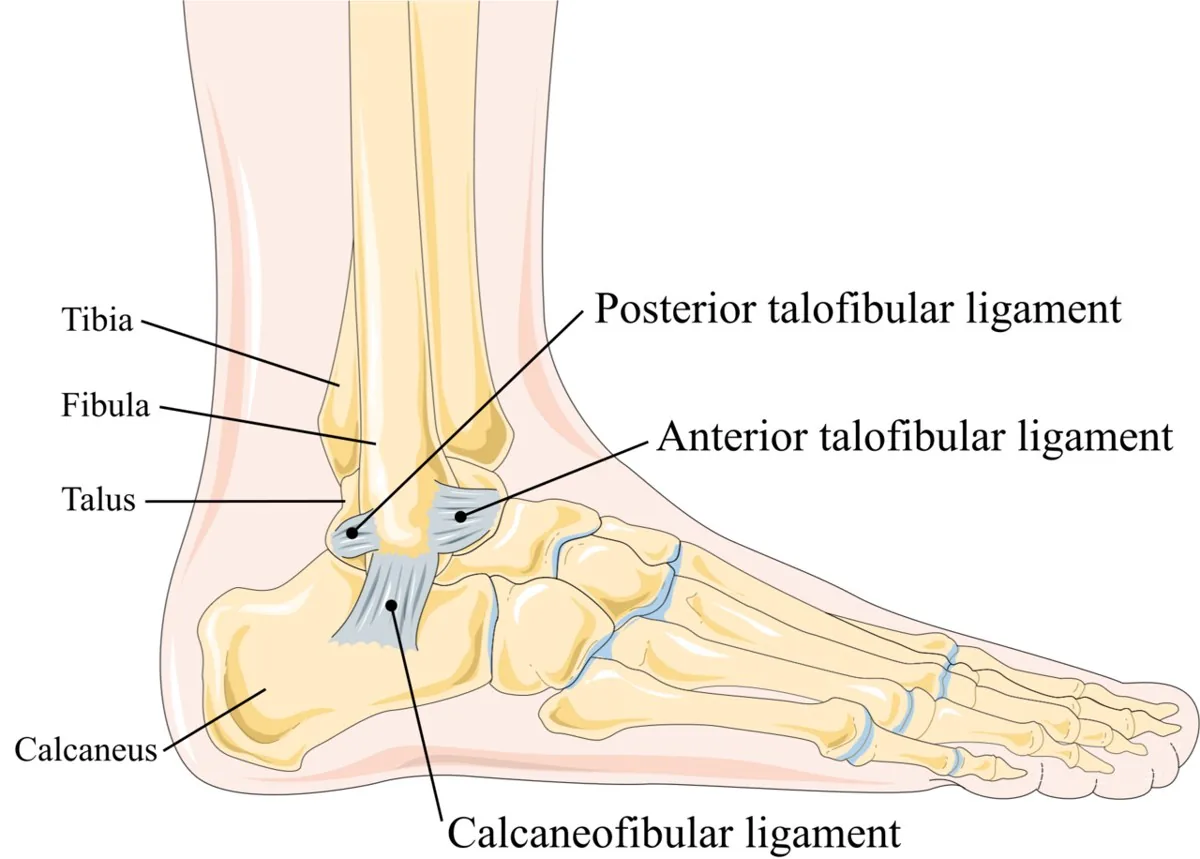
- The injury itself. A fracture can also affect the ligaments and soft tissues nearby. These may stay tight or sore for a while.
- A changed walking pattern. Protecting the leg for a long time can lead to a limp, short steps or putting more weight on the other leg.
- Less balance and confidence. The ankle's sense of position may be out of practice, and it is natural to feel unsure about trusting it.
How physiotherapy at Mobiphysio can help
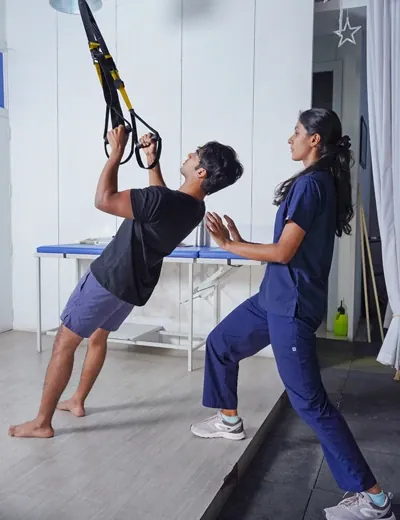
Physiotherapy aims to help your ankle move, take weight and support you again. Every plan starts with a thorough assessment, so your care is shaped around your ankle and your daily routine. Treatment is one-on-one with your physiotherapist.
Depending on what your physiotherapist finds, care may include:
- Hands-on mobilisation.Manual therapy, such as massage and joint mobilisation, can help improve flexibility and ease pain. Our physiotherapists may also use methods such as Mulligan or Stecco where these suit you.
- Stretching.Gentle stretches aim to improve flexibility and ease tightness in the ankle and calf.
- Strengthening.Exercises planned by your physiotherapist aim to rebuild strength in the calf, ankle and foot and improve stability.
- Help with swelling.Gentle manual lymphatic drainage, raising the leg and compression may help swelling settle. Manual lymphatic drainage uses light hands-on techniques that help fluid drain. We can recommend and provide compression garments.
- Ultrasound therapy or electrotherapy.These may be used alongside exercise if your physiotherapist feels they would help.
- Gait training.We help you walk more evenly so your ankle is not under extra strain.
- Balance training.Exercises to improve balance and stability can help you feel steadier. They may also help lower the risk of future injuries.
We aim to build up step by step, from gentle movement to walking and the activities you want to get back to. We explain each stage, and you decide.
What to expect at your visits
Your first visit takes 45 to 60 minutes. We listen to how the fracture happened, how it was treated and what your ankle stops you doing now. Your physiotherapist then checks how the ankle moves, how strong it is, how you walk and how steady you feel.
Next, we explain what we found in plain words and share a care plan suited to you, step by step. You may begin gentle treatment, with advice for home. Follow-up visits take 30 to 45 minutes, and your exercises are adjusted as your ankle changes.
Bring any reports, scans or prescriptions you have. Our staff speak Tamil and English. You can ask for a particular physiotherapist or a female physiotherapist at either branch.
Things you can try at home
These gentle, general ideas suit most people once the plaster or boot is off. If you had an operation, follow your surgeon's instructions alongside physiotherapy.
- Ankle up and down.
Sit or lie with your leg supported. Slowly point your toes away from you, then pull them back towards you. Move only as far as feels comfortable, and repeat a few times through the day.
- Gentle ankle circles.
Draw slow circles with your foot, first one way and then the other. Keep the movement smooth and easy, without forcing it.
- Raise your leg.
When you rest, lie down with your foot on a pillow or two so it sits higher than your heart. This may ease swelling, especially at the end of the day.
- Short practice walks.
Take short, slow walks on a flat floor at home. Keep to any advice you have been given about putting weight on the foot or using a stick. Focus on even, steady steps rather than distance or speed.
- Know when to stop.
Feeling a little stiff or tired while you practise is common. Stop and get advice if pain gets worse.
Common questions
Is it normal for my ankle to feel stiff after the plaster comes off?
Many people find the ankle stiff, weak and a little swollen once a plaster or boot is removed. This is common after a joint has been kept still for a while. A physiotherapist can assess how your ankle is moving and guide you from there.
Why does my ankle swell more by evening?
Swelling often builds up after standing or walking, so many people notice it most at the end of the day. Raising your leg and gentle ankle movements may help ease it. Your physiotherapist can check it and suggest ways to manage it.
Will physiotherapy help me stop limping?
Gait training, strengthening and balance work aim to help you walk more evenly and with more confidence. Every ankle is different, so your physiotherapist reviews your walking and adjusts your plan as you go.
Can I have physiotherapy if my fracture was fixed with an operation?
Physiotherapy is often part of care after an ankle operation. Follow your surgeon's instructions alongside physiotherapy. Bring any reports or scans you have to your first visit.
Do I need a doctor's referral?
No doctor's referral is needed. Bring any reports, scans or prescriptions you have.
Book an assessment
 Mobiphysio physiotherapists · RS Puram and Goldwins
Does your ankle still feel stiff, weak or unsteady after a fracture? An assessment can help you understand what is going on and what to work on. WhatsApp or call us on +91 73385 65909 to book.
Dr. T.R. Vandana, PT, leads a team with 25+ years of experience in physiotherapy and 3000+ patients treated.
Visit us at either branch:
- RS Puram: No.28, Captain Palaniswamy Layout, opposite the municipal park, RS Puram, Coimbatore 641 002. Monday to Saturday, 10 AM to 8 PM.
- Goldwins, Avinashi Road: 11/23, Avinashi Road, opposite Sri Sai Dental Clinic, Karuparampalayam Pirivu, Coimbatore 641 014. Monday to Saturday, 8 AM to 1 PM and 4 PM to 8 PM.
Both branches are closed on Sundays and major festival days such as Pongal and Diwali. There is ample car parking at both branches. Tell us when you book if stairs are hard for you.
Have a question first? Message us on WhatsApp or call; we will answer your questions.