
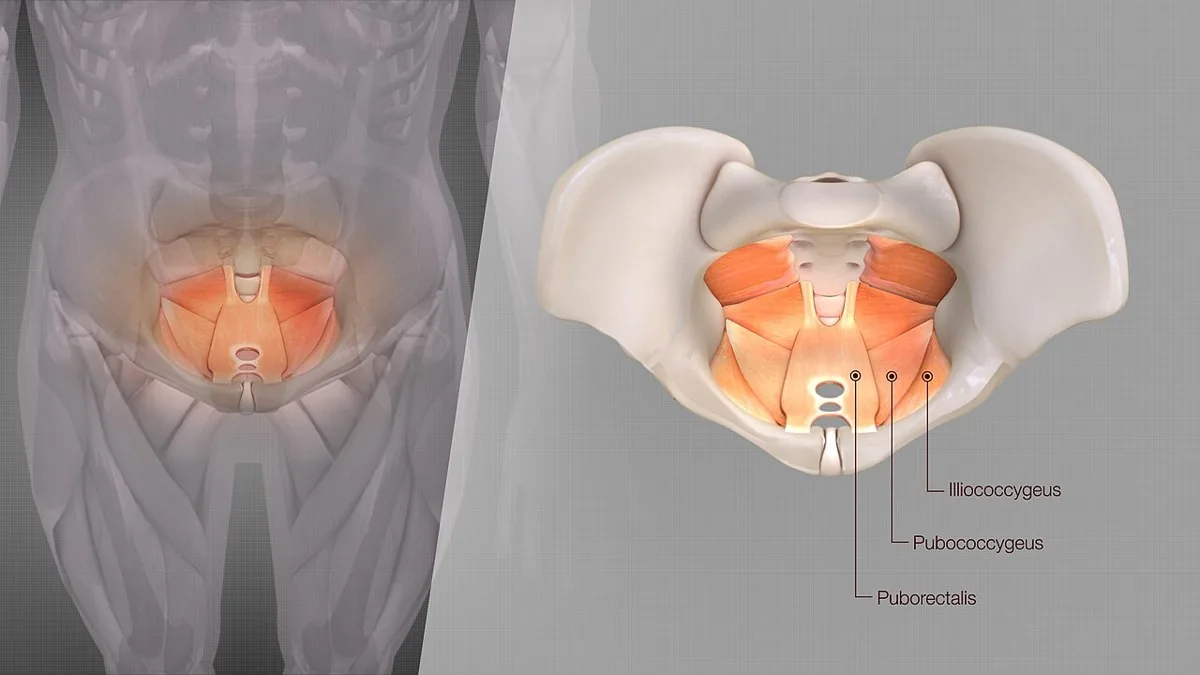
At a glance
- 1Pelvic floor muscles may be too tight, too weak or not working well with the hip and tummy muscles around them.
- 2Gentle physiotherapy aims to restore muscle balance and ease discomfort.
What is pelvic floor dysfunction?
Your pelvic floor is a hammock-shaped group of muscles at the base of your pelvis. These muscles help support your bladder, bowel and womb, and help you control when you pass urine. They work as a team with your hip, tummy and back muscles whenever you sit, stand, lift or breathe.
Pelvic floor dysfunction means these muscles are not working as well as they could. They may be too tight to relax easily, too weak to give enough support, or out of step with the muscles around them.
When these muscles are out of balance, some women notice:
- pelvic or groin discomfort
- low back pain that keeps coming back
- bladder urgency or leaking
- pain during sex
These symptoms can have many causes. An assessment can help show whether your pelvic floor is involved.
Common causes
Several things can play a part, often together:
- Tight or weak muscles nearby. Your glutes (buttock muscles), thighs and tummy muscles work with your pelvic floor. If some are tight and others weak, the pelvic floor may work too hard or get too little help.
- Pregnancy and giving birth. These can stretch and weaken the pelvic floor.
- Changes around menopause. These may leave the pelvic floor muscles weaker.
- A long-term cough or heavy lifting. Both can put repeated pressure on the pelvic floor.
- Posture and breathing habits. How you sit and stand can add strain. Shallow breathing, or always holding your tummy in, may make it harder for these muscles to relax.
- Stress and holding tension. When stressed, you may clench your pelvic, buttock or tummy muscles without noticing, which can keep them tight.
- Sitting a lot, moving less. This can leave your hip and pelvic muscles stiff or underused.
- Constipation and straining. Straining on the toilet can put extra load on the pelvic floor. Eating and drinking habits that keep you regular may help.
- Some gynaecological conditions. These can be linked to pelvic discomfort and muscle tension. Physiotherapy works on the muscle tension and movement habits that can come with them.
How physiotherapy at Mobiphysio can help
At Mobiphysio, we look at the whole picture: your pelvic floor, glutes, thighs and tummy muscles, as well as your posture and daily habits. Treatment aims to ease your symptoms and work on what may be causing them.
Women's health sessions are one-on-one in a private room. You can ask for a female physiotherapist at both branches.
Your care may include:
- Hands-on and guided treatment.Gentle treatment aims to restore balance between your pelvic floor and the muscles around it.
- Breathing and relaxation work.You learn to breathe slowly and let tight muscles soften.
- Exercises matched to you.Exercises are chosen for your symptoms and your body. If your muscles are tight, you may learn to relax them before building strength.
- Better movement habits.We look at how you sit, stand, lift and move, and help you change habits that add strain.
We explain your options clearly, and you decide what suits you.
If you are pregnant or have recently had a baby, we provide care with your doctor's okay.
What to expect at your visits
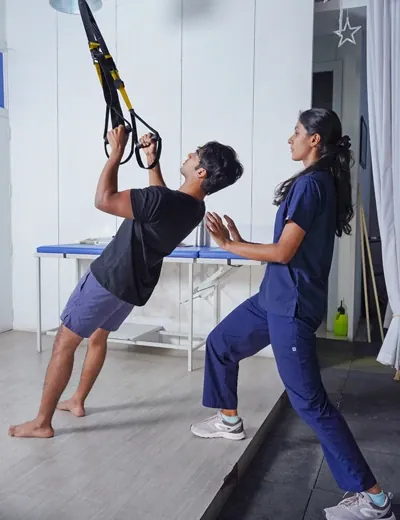
Your first visit takes 45 to 60 minutes and starts with an assessment. Follow-up visits take 30 to 45 minutes.
- We listen first. You tell us about your symptoms and how they affect your day, work and sleep.
- A gentle assessment. Your physiotherapist asks about your history and looks at your posture, breathing and how your muscles work together.
- A plain explanation. We explain what may be causing your symptoms in simple words and answer your questions.
- A clear plan. You leave with a plan, including exercises to start at home.
No doctor's referral is needed. Please bring any reports, scans or prescriptions you have. Our staff speak Tamil and English.
Things you can try at home
These ideas are gentle and suit most people. If you are pregnant or have recently had a baby, please get your doctor's okay first. If you have had an operation, follow your surgeon's instructions alongside physiotherapy. Check with your physiotherapist before trying these stretches.
- Relaxed belly breathing.
Lie on your back with your knees bent, or sit comfortably. Rest one hand on your tummy. Breathe in slowly through your nose. Let your belly rise and your pelvic area soften. Breathe out gently. Repeat for a few minutes.
- Gentle inner-thigh stretch.
Lie on your back with your knees bent and your feet together. Let your knees slowly fall out to the sides. Rest them on pillows if needed. Stay there for a few slow breaths, without pushing into pain.
- Easy hip stretch.
Lie on your back and gently draw one knee towards your chest. Hold behind your thigh, not over your knee, and stay for a few slow breaths. Then swap sides. Keep it light, and let your shoulders, jaw and tummy relax.
- Regular movement breaks.
If you sit for long hours at work or at home, get up about once every half hour to an hour. Stand, walk a few steps and stretch gently.
- Check how you sit.
Sit with both feet flat and your weight even on both sides. Notice if you are clenching your tummy, buttocks or pelvic muscles, and let them soften.
Stop and get advice if pain gets worse. Your physiotherapist can show you which exercises suit you best.
Common questions
Can physiotherapy help with pelvic floor problems?
It can help. Many women find that breathing work, exercises, posture changes and better daily habits ease their symptoms. Results vary from person to person.
Should I just do squeezing exercises for my pelvic floor?
Not always. If your muscles are already tight, learning to relax them may matter more than squeezing harder. Your physiotherapist will suggest exercises based on what your assessment shows.
Should I wait to see if my symptoms go away?
It is better not to ignore them. A physiotherapist can look into what may be behind them and plan care that suits you.
Does sitting for long hours make a difference?
It can. Long hours of sitting may leave your hip and pelvic muscles stiff. Short movement breaks through the day are a simple place to start.
Can I ask for a female physiotherapist?
Yes. You can ask for a female physiotherapist at both branches when you book. Women's health sessions are one-on-one in a private room.
Do I need a doctor's referral?
No referral is needed. Please bring any reports, scans or prescriptions you have.
Book an assessment
 Mobiphysio physiotherapists · RS Puram and Goldwins
Is pelvic, low back or bladder discomfort getting in the way of your day? WhatsApp or call Mobiphysio on +91 73385 65909 to book an assessment.
Our branches:
- RS Puram: No.28, Captain Palaniswamy Layout, opposite the municipal park, RS Puram, Coimbatore 641 002. Google Maps
- Goldwins, Avinashi Road: 11/23, Avinashi Road, opposite Sri Sai Dental Clinic, Karuparampalayam Pirivu, Coimbatore 641 014. Google Maps
Mobiphysio has 25+ years of experience in physiotherapy and has treated 3000+ patients. Have a question before you book? Message us on WhatsApp or call; we will answer your questions.