
At a glance
- 1Neck and back aches from feeding, carrying, bathing and lifting your baby.
- 2With your doctor's okay, posture advice and gentle physiotherapy may help.
What is neck and back ache in new mothers?
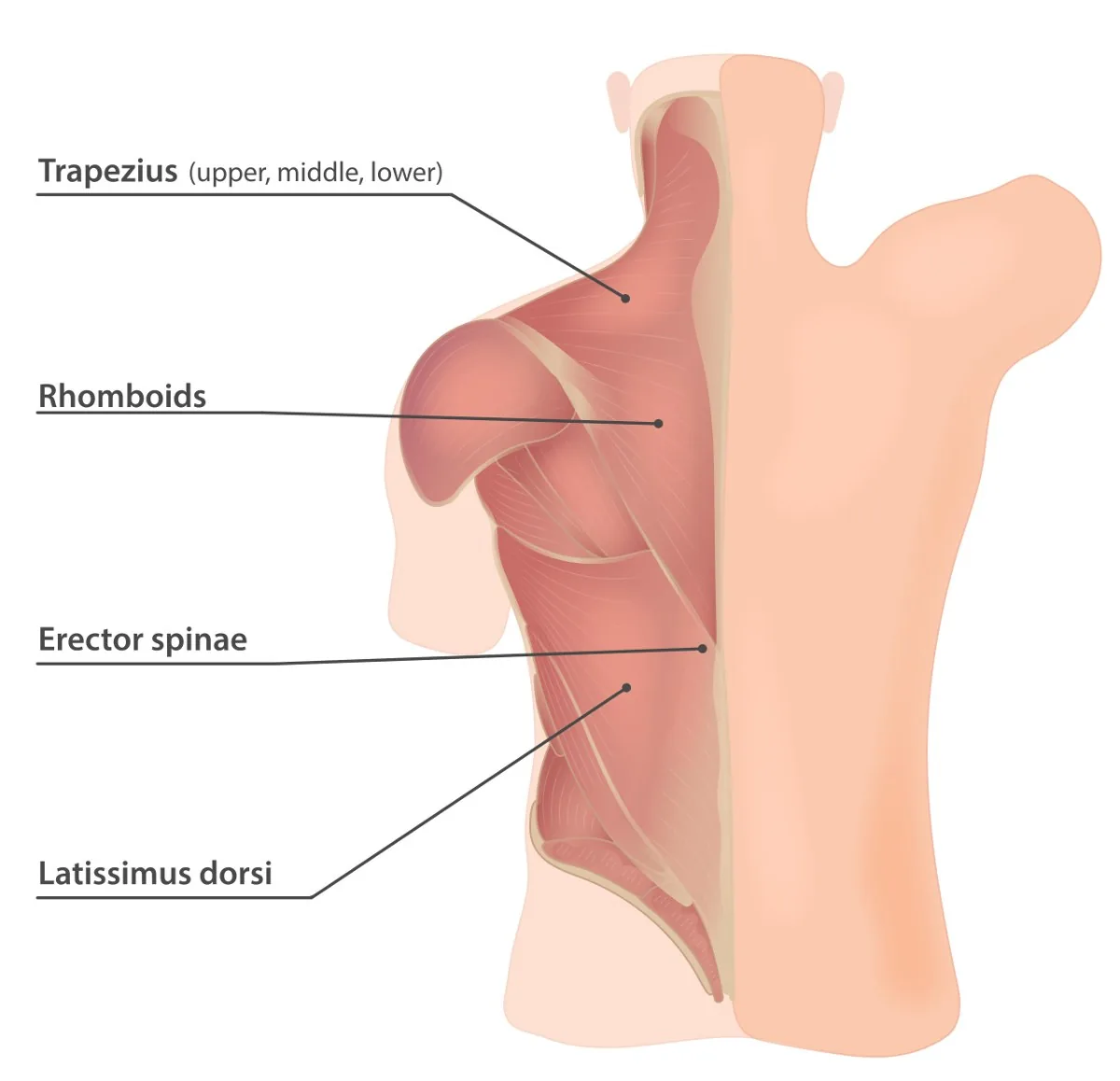
In the months after giving birth, many mothers notice aches in the neck, shoulders, upper back or lower back. The ache may feel like stiffness, tiredness or soreness that builds through the day. It may feel worse after a long feed, a night of rocking, or a morning of lifting and carrying.
In this guide, it means the everyday aches that can come from new, repeated tasks while your body is still recovering from pregnancy and birth. Caring for a newborn is physical work. You do it many times a day, often on little sleep.
Every mother's body and routine is different. A physiotherapist can assess how you move through your day. They then look for what is adding to your ache, not just where it hurts.
Common causes
Caring for your baby often means holding the same position for a long time. Things that can add to the strain include:
- Feeding while leaning forward or looking down at your baby for long spells.
- Sitting on a low seat, the floor or a soft bed without back support.
- Carrying your baby on the same hip or arm most of the time.
- Bending over to bathe, massage, dress or change your baby, often on the floor or a low stool.
- Lifting your baby from a low bed, floor mat or cradle many times a day.
- Rocking or walking your baby to sleep, or standing for a long time.
- Broken sleep, awkward sleeping positions, stress and tense muscles.
- A body that is still regaining strength after pregnancy and birth.
Often it is a mix of these rather than one thing. Small changes to how you feed, lift and carry may ease the strain. A physiotherapist can show you which changes suit you.
How physiotherapy at Mobiphysio can help
After-birth care at Mobiphysio starts with your doctor's okay. Please check with your doctor that it is fine to begin physiotherapy. If you had a caesarean birth, follow your surgeon's instructions alongside physiotherapy.
Once you are ready, treatment is one-on-one and starts with a thorough assessment. We then build a plan around you, your baby and your daily routine. We explain your options in plain words. We listen, and you decide.
Your plan may include:
- Posture advice for daily tasks.We look at how you sit to feed, and how you lift, carry, bathe and change your baby. We then suggest small changes that may ease the strain on your neck and back.
- Gentle hands-on care.These hands-on techniques aim to ease pain and stiffness and help you move more freely.
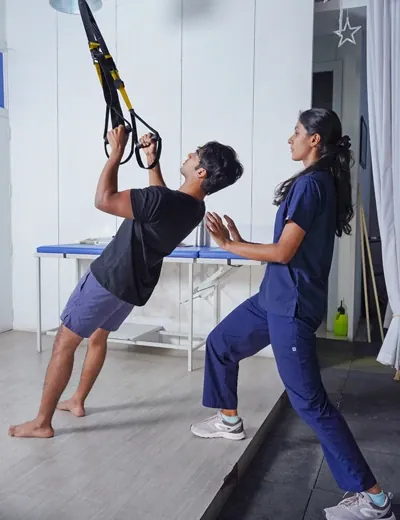
- Simple strengthening.These are gentle exercises for your upper back, shoulders, tummy and back muscles, chosen after your assessment. They aim to help your body cope with lifting and carrying. We start gently and build up step by step.
- A home exercise programme.You learn a few simple stretches and exercises that can fit around feeds and naps.
- Other care where suitable.Your physiotherapist may also use electrotherapy or ultrasound therapy. Both are available at our two branches.
Our physiotherapists use McKenzie, Mulligan and Stecco methods and choose what suits you. Results differ from person to person.
What to expect at your visits
Your first visit takes 45 to 60 minutes. Follow-up visits take 30 to 45 minutes. You do not need a doctor's referral to book, but please have your doctor's okay for after-birth care first. Bring any reports, scans or prescriptions you have.
At your first visit:
- We listen to your story: where it aches, your pregnancy and birth, and what your day with your baby looks like.
- We look at how you sit, stand and move, and at the positions you use to feed, lift and carry.
- Your physiotherapist checks your neck and back and tests key muscles with gentle pressure.
- We explain in plain words what may be adding to your ache, and we plan your treatment with you.
- You may begin treatment or learn a few simple exercises to start at home.
At follow-up visits, we review how you are doing and build on your plan.
Women's health sessions are one-on-one in a private room. You can ask for a particular physiotherapist, or a female physiotherapist, at both branches. Our staff speak Tamil and English.
Things you can try at home
These ideas are gentle and general, and you can fit them into your day. Move only within comfort.
- Bring your baby up.
Use pillows or a folded bedsheet on your lap to bring your baby up to the breast, rather than leaning down. You can use the same idea for bottle feeds.
- Support your back.
Where you can, feed in a chair with good back support rather than on a low or soft seat. If you sit on the bed, lean back against a pillow and let your shoulders relax.
- Bend your knees.
When you pick up your baby from the bed, floor or cradle, bend your knees and hold your baby close to your body. Turn with your feet rather than twisting. Where you can, change and dress your baby on a surface at about waist height, so you bend less. Always keep a hand on your baby.
- Take short stretch breaks.
After a feed or a long spell of carrying, gently roll your shoulders and slowly turn your head side to side. Then stand tall and take a few slow, easy breaths.
- Switch sides often.
Change the arm or hip you carry your baby on through the day, so one side does not do all the work.
Stop and get advice if pain gets worse. If you had a caesarean birth, follow your surgeon's instructions alongside these ideas.
Common questions
Is it common to have neck or back ache after delivery?
Many new mothers notice neck or back ache while feeding, carrying and lifting their baby. Every mother is different. An assessment by a physiotherapist can help find what is adding to yours.
When can I start physiotherapy after giving birth?
After-birth care at Mobiphysio starts with your doctor's okay, so please check with your doctor first. If you had a caesarean birth, follow your surgeon's instructions alongside physiotherapy.
Can looking down at my baby while feeding cause neck ache?
Looking down for long spells can add strain to your neck and upper back. Bringing your baby up with pillows and taking short stretch breaks may help. A physiotherapist can look at what is adding to your ache.
Will I need to do exercises at home?
Often, yes. Your physiotherapist will show you a few gentle stretches and strengthening exercises that suit you and fit around feeds and naps.
Can I ask for a female physiotherapist?
Yes. You can ask for a female physiotherapist at both branches. Women's health sessions are one-on-one in a private room.
Book an assessment
 Mobiphysio physiotherapists · RS Puram and Goldwins
If feeding, carrying or lifting your baby is leaving your neck or back sore, we would be glad to help. WhatsApp or call +91 73385 65909 to book an assessment at either of our branches:
- RS Puram: No.28, Captain Palaniswamy Layout, opposite the municipal park, RS Puram, Coimbatore 641 002 (map)
- Goldwins, Avinashi Road: 11/23, Avinashi Road, opposite Sri Sai Dental Clinic, Karuparampalayam Pirivu, Coimbatore 641 014 (map)
Our team, led by Dr. T.R. Vandana, PT, has 25+ years of experience in physiotherapy and has treated 3000+ patients. Both branches have ample car parking. Tell us when you book if stairs are hard for you.
Message us on WhatsApp or call; we will answer your questions.