
At a glance
- 1Ankle pain may follow a sudden twist or build up over time.
- 2Physiotherapy aims to ease pain and improve movement, strength and balance.
What is ankle pain?
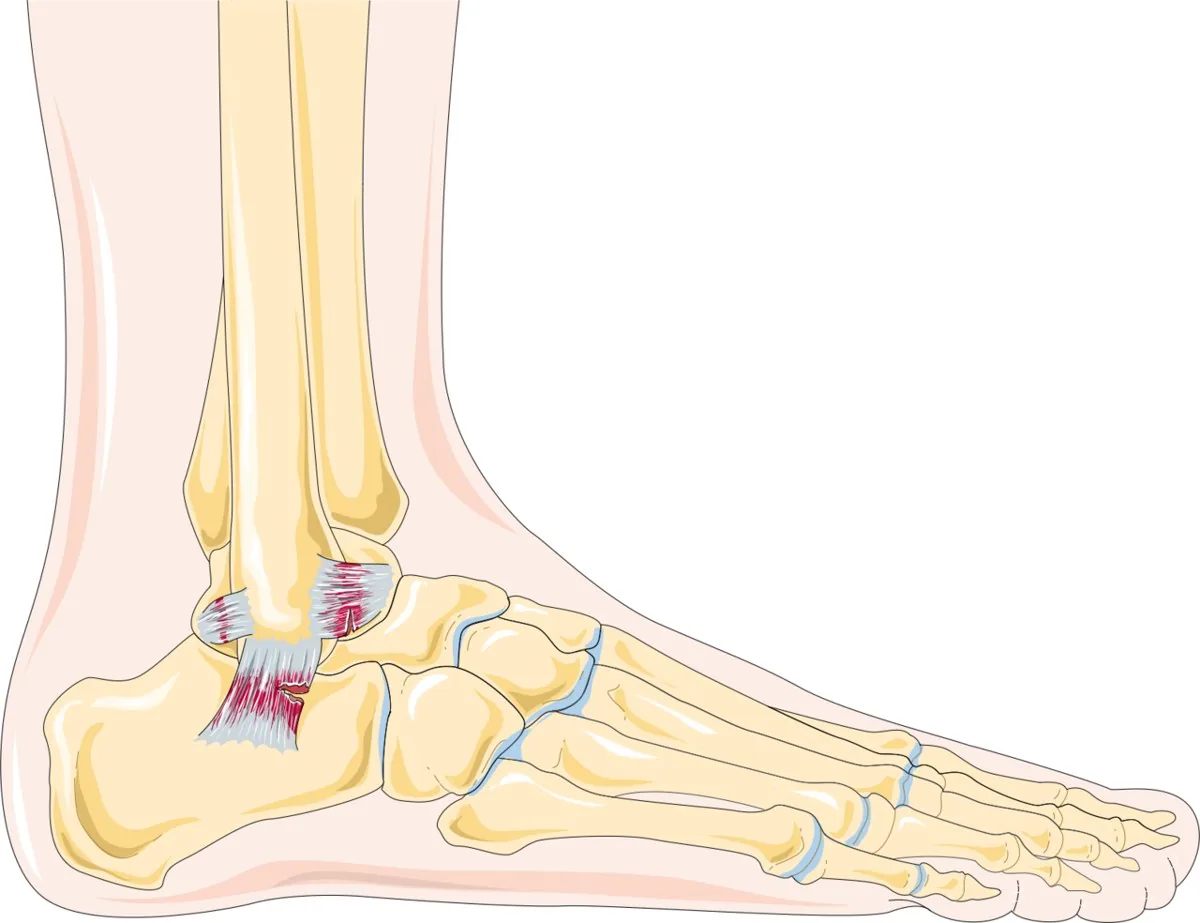
Your ankle is the joint where your leg meets your foot. Bones, ligaments (strong bands that hold the bones together), tendons and muscles all work together to keep it steady and let it move. When any of these is strained or hurt, the ankle can feel sore, stiff or weak.
Ankle pain can make everyday life harder. Walking, climbing stairs, standing at work or playing sport may all hurt. Some people also start to feel unsure of their footing on steps or uneven roads.
People with ankle pain often describe:
- Pain or swelling after a twisted ankle
- Pain that has slowly built up with walking, running or sport
- Stiffness or trouble moving the ankle
- Feeling unsteady, or feeling that the ankle may give way
- Pain when walking or putting weight on the foot
These are common experiences, not a diagnosis. A physiotherapist can assess your ankle and explain what may be behind your pain.
Common causes
Common causes include:
Sudden injuries, such as a twisted ankle or ligament sprain. A twist, slip or fall can overstretch the ligaments that hold the ankle steady. The ankle may swell and hurt when you walk on it. Some people find it feels weak or wobbly for a while afterwards.
A broken ankle (fracture). This is a break in one of the bones of the ankle. After a break, time in a cast or boot and resting the leg can leave the ankle stiff and weak. Physiotherapy can help you get moving again. If you have had an operation, follow your surgeon's instructions alongside your physiotherapy.
Gradual overuse injuries. These develop slowly when the ankle is asked to do more than it is ready for. Long walks, running, sport or a sudden jump in activity can add strain over time. The pain may start mild and slowly build.
Your physiotherapist will assess your ankle to understand what is behind your own pain.
How physiotherapy at Mobiphysio can help
At Mobiphysio, every plan starts with a thorough assessment, and treatment is one-on-one. We aim to reduce pain, restore movement and strengthen your ankle. Many people want to walk with balance and confidence again, and that is a big part of what we work on.
Depending on your assessment, your plan may include:
- Manual therapy: hands-on techniques such as massage and joint mobilisation (gentle, controlled movement of the joint). These can improve flexibility and reduce pain.
- Ultrasound therapy: this may be used as part of your plan to help ease pain, depending on your assessment.
- Stretching routines: gentle stretches that aim to improve flexibility and relieve tension in the ankle.
- Gait training: help to walk well, so your ankle is not under extra strain.
- Balance training: exercises for balance and stability. These can help lower the risk of future injuries.
Has your ankle been twisted before, and do you want to stop it happening again? Tell your physiotherapist. Balance and stability work can be part of your plan.
We listen, and you decide. Your physiotherapist explains the options in plain words, and you choose together what suits you.
What to expect at your visits
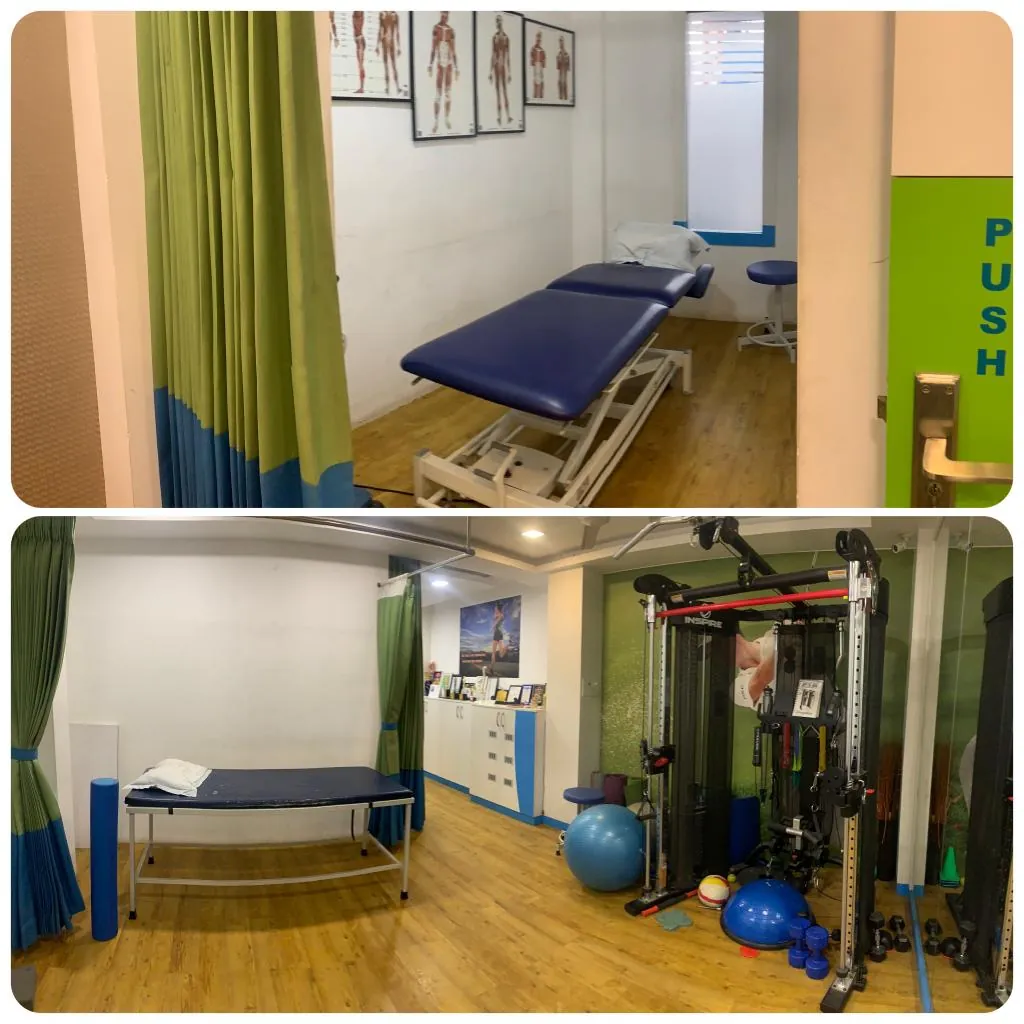
Your first visit takes 45 to 60 minutes. Follow-up visits take 30 to 45 minutes. Each session is one-on-one with your physiotherapist.
At your first visit:
- We listen to how the pain started and what it stops you doing.
- Your physiotherapist checks your ankle carefully. This includes how it moves, how strong and steady it is, and how it takes your weight.
- You learn what to avoid and how to ease early pain, such as with ice, compression and raising the ankle.
- You get a treatment plan suited to your ankle and your daily routine.
Follow-up visits continue the plan you agree on together.
You do not need a doctor's referral. Please bring any reports, scans or prescriptions you have. Our staff speak Tamil and English. You can ask for a particular physiotherapist, or a female physiotherapist, at both branches.
If stairs are hard for you, tell us when you book.
Things you can try at home
These gentle ideas suit most people. Move only within a comfortable range. Stop and get advice if pain gets worse.
If your ankle has been broken or is in a cast or boot, check with your physiotherapist before trying the exercises below. After an operation, follow your surgeon's instructions alongside your physiotherapy.
- Rest from sport.
After a twist, avoid running or sport on the injured ankle so it can heal.
- Ice and raise.
Ice wrapped in a thin cloth can help ease early pain. Resting your ankle up on a pillow can help too. Never put ice straight on your skin. Use it for short spells and check your skin often. If you have poor feeling in your feet, ask your physiotherapist before using ice.
- Gentle ankle circles.
Sit with your foot off the floor. Slowly draw circles with your toes, in both directions. Keep the movement small and comfortable.
- Calf stretches.
Stand facing a wall with your hands on it. Step one foot back and keep that heel on the floor. Keep your back knee straight. Lean forward gently until you feel a mild stretch in the calf. Hold for a few breaths, then relax and switch sides. If standing on the sore ankle hurts or you feel unsteady, leave this stretch until your physiotherapist has checked your ankle.
- Wear supportive footwear.
Choose comfortable shoes or sandals with a good grip and firm support around the heel. Very thin, loose or worn-out slippers may leave the ankle feeling less steady.
Common questions
What can I do at home right after a twisted ankle?
Avoid running or sport on the injured ankle so it can heal. Ice wrapped in a thin cloth can help ease early pain, and so can resting the ankle up on a pillow. Never put ice straight on your skin, and use it only for short spells. Your physiotherapist can show you how to use a support or bandage safely. Stop and get advice if pain gets worse. A physiotherapy assessment can check your ankle. WhatsApp or call to book.
How can physiotherapy help ankle pain?
It aims to reduce pain, improve movement and strengthen the ankle. Based on your assessment, treatment may include manual therapy, stretching, gait training and balance exercises.
Can physiotherapy help if my ankle feels unsteady?
It can help. Balance and stability exercises aim to make you steadier and may lower the risk of future injuries. Your physiotherapist first assesses what is making your ankle feel this way.
What footwear is best for a sore ankle?
Many people find comfortable shoes or sandals with a good grip and firm heel support helpful. Very thin or loose slippers may make the ankle feel less steady. You can ask your physiotherapist about your own footwear at your visit.
Do I need a doctor's referral to visit Mobiphysio?
No, you do not need a referral. Please bring any reports, scans or prescriptions you have.
Can I ask for a female physiotherapist?
Yes. You can ask for a female physiotherapist, or a particular physiotherapist, at both branches. Just mention it when you book.
Book an assessment
 Mobiphysio physiotherapists · RS Puram and Goldwins
If your ankle is sore, stiff or unsteady, a physiotherapy assessment is a good first step. WhatsApp or call us on +91 73385 65909 to book a visit at either branch:
- RS Puram: No.28, Captain Palaniswamy Layout, opposite the municipal park, RS Puram, Coimbatore 641 002. Monday to Saturday, 10 AM to 8 PM. Google Maps
- Goldwins, Avinashi Road: 11/23, Avinashi Road, opposite Sri Sai Dental Clinic, Karuparampalayam Pirivu, Coimbatore 641 014. Monday to Saturday, 8 AM to 1 PM and 4 PM to 8 PM. Google Maps
Both branches are closed on Sundays and major festival days, such as Pongal and Diwali. There is ample car parking at both branches.
Our team is led by Dr. T.R. Vandana, PT. We bring 25+ years of experience in physiotherapy and have treated 3000+ patients.
Have a question before you book? Message us on WhatsApp or call; we will answer your questions.