
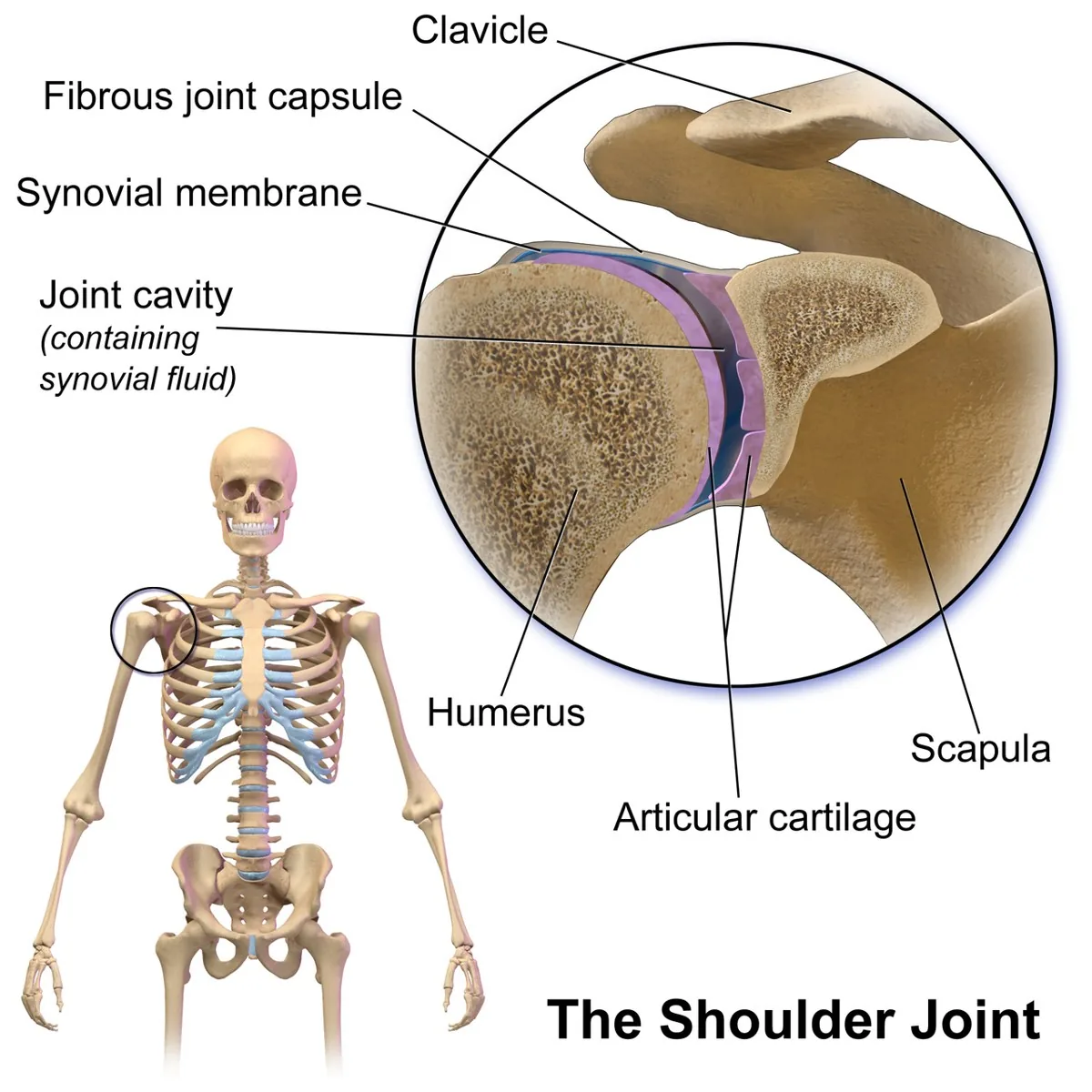
At a glance
- 1A shoulder dislocation is when the top of the upper arm bone comes out of the shoulder socket.
- 2Staged physiotherapy aims to rebuild strength, control and confidence.
What is a shoulder dislocation?
Your shoulder is a ball-and-socket joint. The rounded top of your upper arm bone (the ball) sits in a shallow socket on your shoulder blade. This shape lets your arm move in many directions. It also means the joint depends on the muscles and soft tissues around it to stay steady.
A dislocation happens when the ball is forced out of the socket. Once it has been put back in place, the shoulder is often sore, stiff and weak for a while. Many people also worry about lifting or reaching, in case it slips out again.
These worries are understandable. A physiotherapist can assess how your shoulder moves now and plan the next steps with you. Every shoulder is different, so we build your plan around you.
Common causes
A shoulder can dislocate when a strong force pushes the arm out of its usual position. Common causes include:
- Falls, for example landing on an outstretched hand or straight onto the shoulder
- Sports, especially those with tackles, dives, falls or forceful overhead movements, such as kabaddi, cricket, football or volleyball
- Road accidents, including falls from a two-wheeler
- A sudden pull or twist of the arm, for example while lifting or pulling something heavy
- A past dislocation, as the shoulder may be less steady afterwards
Weak muscles around the shoulder and shoulder blade may also make the joint less steady. Whatever the cause, a thorough assessment helps your physiotherapist understand what happened and how your shoulder is working now.
How physiotherapy at Mobiphysio can help
At Mobiphysio, treatment is one-on-one and starts with a thorough assessment. Your physiotherapist then builds a staged rehab plan with you. Each stage builds on the last, so you move forward at a pace that suits your shoulder.
Settling pain and stiffness. Early on, the focus is on easing soreness and gently getting the shoulder moving. Depending on your needs and how recent the injury is, this may include electrotherapy, ultrasound therapy or gentle hands-on care.
Restoring movement. Gentle exercises and small stretches aim to improve how far and how smoothly your arm moves. When suitable for your stage of recovery, your physiotherapist may also use gentle hands-on joint mobilization, such as glides.
Building strength and control. Resistance exercises work the muscles around your shoulder and shoulder blade. These muscles play a big part in keeping the joint steady as you move, so we aim to make them stronger and better coordinated.
Getting back to daily life. Later stages practise the movements you need for work, home, sport or hobbies. This aims to help you trust your shoulder again and use it with more confidence. It also aims to help your shoulder stay steady in the future.
Our physiotherapists may also draw on methods such as Mulligan, McKenzie and Stecco, choosing what suits your shoulder. Throughout your care, we listen and you decide.
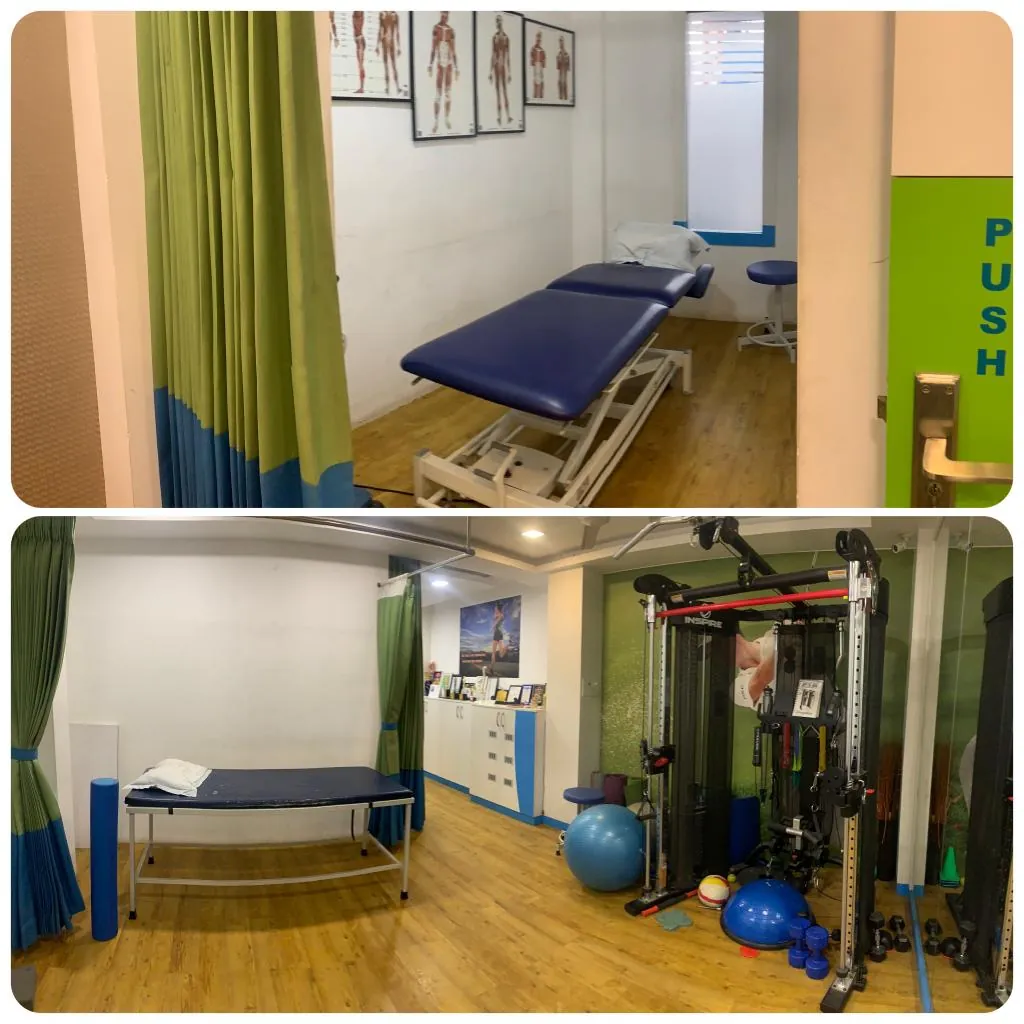
What to expect at your visits
Your first visit takes 45 to 60 minutes. Follow-up visits take 30 to 45 minutes. Our staff speak Tamil and English.
At your first visit:
- We ask about your shoulder, your past health and how the dislocation happened.
- We examine how your shoulder moves, how strong it is and which movements worry you.
- We explain your treatment plan in simple words.
- You learn home exercises and daily habits to support your recovery.
At follow-up visits, your physiotherapist checks how you are getting on and adjusts your exercises as you progress. You are welcome to ask questions at any time.
Things you can try at home
These ideas are gentle and general. Your physiotherapist will tell you which ones suit you and how far to move. If you have had an operation on your shoulder, follow your surgeon's instructions alongside your physiotherapy. Stop and get advice if pain gets worse.
- Gentle movement within range.
Move your arm gently, only within the range advised at the clinic. Small, comfortable movements done regularly may help ease stiffness.
- Shoulder blade squeezes.
Sit or stand tall and gently draw your shoulder blades back and down, then let them relax. Keep the movement small and comfortable.
- Protect your shoulder.
Early on, avoid positions where your arm is out to the side and pulled back, such as winding up to throw a ball. Your physiotherapist will tell you which positions to avoid for your shoulder, and when it is time to work on them.
- Keep things within reach.
Place items you use often between waist and chest height. This can help you avoid awkward stretches while your shoulder settles.
- Listen to your shoulder.
Move slowly and never force a movement or push through pain. Stop and get advice if pain gets worse.
Common questions
Is it safe to move my arm now that my shoulder is back in place?
Gentle movement within the range your physiotherapist advises is often part of recovery. They will check your shoulder and show you which movements suit you now. Stop and get advice if pain gets worse.
Why is my shoulder still stiff and weak?
After a dislocation, the arm is often rested for a while. This can leave the shoulder stiff and weak, and many people are nervous about using it. A staged rehab plan aims to ease stiffness and rebuild strength step by step.
Can physiotherapy help stop my shoulder popping out again?
No one can promise a shoulder will never slip again. Rehab aims to build strength and control around the joint, which may help it stay steadier. Your physiotherapist can explain what this means for you after an assessment.
Can I go back to cricket, badminton or the gym?
Many people want to return to the sport or exercise they enjoy. Your plan can build step by step towards the movements your sport needs. Your physiotherapist will guide you on whether and when each step is right for you.
Do I need a doctor's referral?
No, you do not need a doctor's referral. Please bring any reports, scans or prescriptions you have.
Can I ask for a female physiotherapist?
Yes. You can ask for a female physiotherapist, or a particular physiotherapist, at both branches. Just tell us when you book.
Book an assessment
 Mobiphysio physiotherapists · RS Puram and Goldwins
If your shoulder is stiff, weak or unsteady after a dislocation, a physiotherapy assessment can be a good next step. WhatsApp or call Mobiphysio on +91 73385 65909 to book your shoulder assessment. Dr. T.R. Vandana, PT, and her team of physiotherapists have 25+ years of experience and have treated 3000+ patients.
Our two branches:
- RS Puram: No.28, Captain Palaniswamy Layout, opposite the municipal park, RS Puram, Coimbatore 641 002 (Google Maps)
- Goldwins, Avinashi Road: 11/23, Avinashi Road, opposite Sri Sai Dental Clinic, Karuparampalayam Pirivu, Coimbatore 641 014 (Google Maps)
RS Puram is open Monday to Saturday, 10 AM to 8 PM. Goldwins is open Monday to Saturday, 8 AM to 1 PM and 4 PM to 8 PM. Both branches are closed on Sundays and major festival days, such as Pongal and Diwali.
Both branches have ample car parking. Tell us when you book if stairs are hard for you.
Have questions before you come in? Message us on WhatsApp or call; we will answer your questions.