
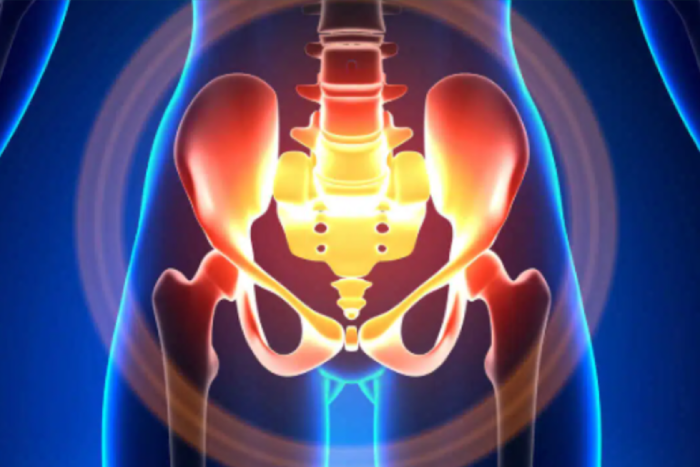
What is the Pelvic Floor?
The pelvic floor is a group of muscles that functions as a trampoline or a hammock and holds important organs such as the bladder, uterus (female), prostate (male), and rectum. These muscles, in collaboration with the gluteal muscles, thighs and abdominal muscles, are integrated to stabilize the core and control pressure with movement.
When there is an imbalance or altered tension in any of these connected muscle groups, it can disrupt pelvic floor function.
Causes of Pelvic Floor Dysfunction
Many factors can contribute to this imbalance:
- Tight or even weak glutes, thigh or abdominal muscles
- Gynaecological conditions such as endometriosis or fibroids leading to stress of pelvic floor muscles
- unfavorable lifestyle, such as a passive lifestyle or absence of specific activities
- Nutritional disorders that influence healthy guts and pelvis
Symptoms and Related Conditions
Changes in pelvic floor muscle function can lead to a wide range of symptoms:
- Lower back pain
- Groin pain- Abdominal discomfort
- Dysmenorrhea or crampy pain following menstruation
- Painful sexual activity
- Urinary incontinence- urges or urgency
- Sexual dysfunction
These symptoms are not just limited to women-men athletes can also suffer from pelvic floor tension due to overtraining, injury or muscle imbalances.

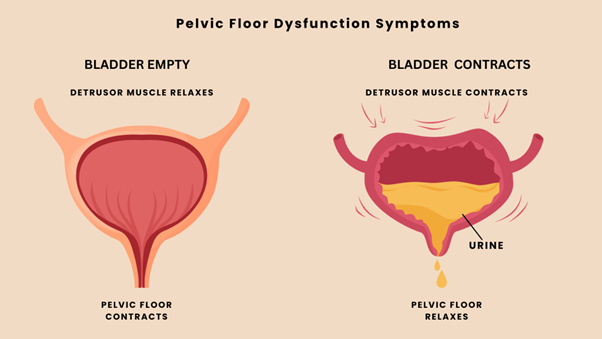
Understanding Pelvic Floor Dysfunction
Early Intervention is Important
The correct approach to treatment will cure pelvic floor dysfunction. The quality of life can be greatly increased by physical therapy, specific exercises, posture Correction, improving the diet, and adjustments to the style of life.
In the event that you are having one of these symptoms, it is important that you do not ignore them. A qualified physiotherapist or pelvic health professional should be consulted because they can investigate further and treat the cause.
Takeaway
The well-being of your pelvic floor is important irrespective of gender and fitness conditions. The entire way of formulating muscle balance, movement, and daily habits can make all the difference.
Recent Post
- Struggling with Hip Pain? Physiotherapy Can Help
- Overcoming Neck Pain with Physiotherapy: Proven Methods for Relief
- World Physiotherapy Day 2025 | Mobiphysio Coimbatore
- Shoulder Pain
- Understanding Pelvic Floor Dysfunction
- Mechanical Back Pain – Short Guide
- Knee Pain Treatment In Coimbatore
- Lower Back Pain Treatment