
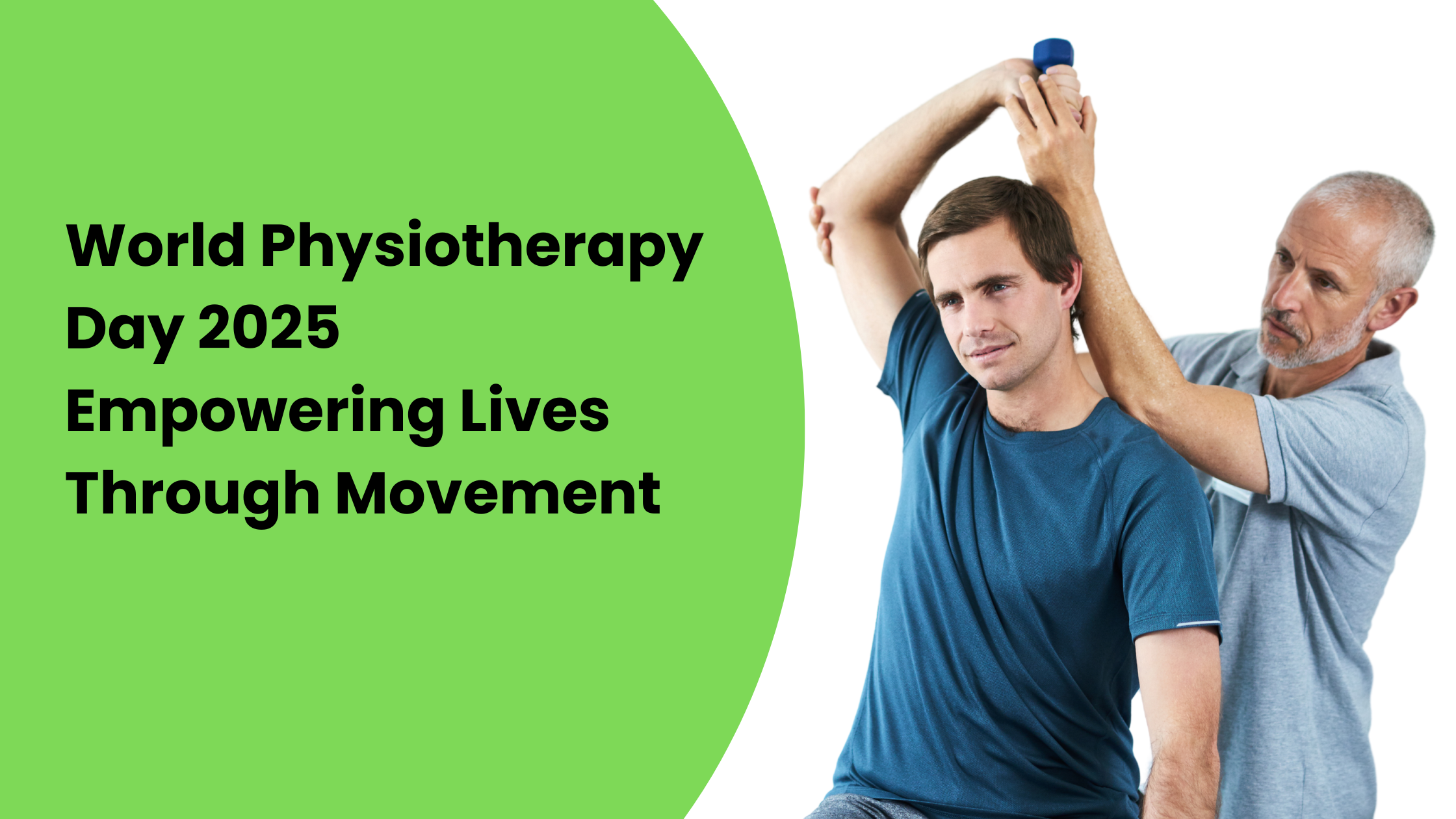
World Physiotherapy Day 2025: Empowering Lives Through Movement
Physiotherapy has changed many lives by giving back strength, mobility and confidence following illness, injury or surgery. It goes beyond rehabilitation, it is about regaining independence, preventing future problems, and enhancing overall well-being. World Physiotherapy Day is celebrated on 8th September of each year in order to appreciate this important profession and recognise the professionals who are committed to the recovery of patients and their healthier lives.
This World Physiotherapy Day, we want to take a moment and consider the significance of physiotherapists, learn about the history of the day and learn about this year is theme.
History and Importance of World Physiotherapy Day
World Physiotherapy Day has been observed from 1996 to September 8. In 1951, the date was chosen to mark the establishment of World Physiotherapy (formerly known as World Confederation for Physical Therapy).
- Honour the contribution of physiotherapists worldwide.
- Raise awareness of how physiotherapy improves quality of life.
- Highlight its evolving role in modern healthcare.
Each celebration is devoted to a specific theme each year, raising awareness of various important areas of patient care, rehabilitation, and healthy living.
World Physiotherapy Day Theme 2025
The theme of 2025 is the importance of physiotherapy and physical activity in healthy ageing, in the context of preventing frailty and falls.
As people live for a long time, age-related risks include low balance, weak muscles and the chances of falling, because more common. This year's theme sheds light on how active physiotherapy intervention can help older adults:
- Stay active and independent.
- Improve balance, coordination and mobility.
- Reduce injuries and enjoy everyday activities.
Physiotherapists play a key role in helping with confidential in designing personal training plans.
What is involved in physical therapy?
Physical therapy is not just about relief from short-term pain—this is a structured trip to long-term recovery and prevention.
Assessment and Goal Setting
A detailed assessment of symptoms, mobility, asana and medical history helps to create an individual treatment plan with obvious goals.
Exercise-Based Rehabilitation
Strength, flexibility, balance and endurance exercises form the basis for most physiotherapy programs, and restore muscle control and function.
Manual Therapy
Hands-on technology such as common mobilization, stretching and soft tissue improves massage, reduces the hardness and reduces movement.
Pain management and accessories treatment
- Heat and cold therapy
- Ultrasound treatment
- Electrical stimulation (TENS)
- Taping and bracing
These approaches reduce discomfort and speed up recovery.
Lifestyle Education
The guidance on the prevention of asana, movement habits, ergonomics and injury provides patients to handle their position beyond medical sessions.
Ongoing Monitoring
Recovery is tracked continuously, adjusted with treatment plans because the patient improves or new challenges arises.
How Physiotherapy Supports Recovery
Physical therapy is an important partner in healing, which offers a step-by-step route to achieve strength, confidence and freedom. The benefits include:
- Restory of Mobility - Gradually, guided exercises reduce the strength of hardness and reconstruction after injuries, fractures or surgery.
- Handling pain and inflammation - technology such as cold packages, manual therapy and electrotherapy soothes inflammation and discomfort.
- Increasing circulation - better blood flow distributes nutrients and oxygen to help with natural agents.
- Encouraging tissue repair - controlled movement supports proper alignment and strong treatment of muscles and tendons.
- Prevention of weakness - even short exercises prevent muscle damage during long recovery periods.
- Improvement in balance and coordination - important after stroke or neurological conditions to reduce the risk of falls.
- Regaining Daily Independence – Physiotherapy helps patients return to normal routines with confidence.
- Supporting Nerve Healing – Exercises retrain the nervous system to restore control and coordination.
- Promoting Cellular Healing – Movement stimulates the body’s natural repair processes.
- Preventing Scar Tissue Issues – Stretching and mobilisation keep tissues flexible and functional.
Recognising the Role of Physiotherapists
Physiotherapists often work quietly behind the scenes, yet their impact is immense. They
- Help people recover strength and mobility after illness, injury, or surgery.
- Reduce the load in hospitals by stopping complications and repeating the listing.
- Support patients with long-term conditions such as arthritis, back pain or neurological disorders.
- Tailor treatment for each need, and ensures personal care.
- Work in all age groups - from children with developmental delays to the elderly to maintain mobility.
- Turn recovery into empowerment, giving patients control over their own healing.
How You Can Contribute This World Physiotherapy Day
World Physiotherapy Day is not just about recognition—it’s about spreading awareness. Here’s how you can participate:
- Thank a physiotherapist – A message or social media post can mean a lot.
- Share your recovery story – Inspire others to seek timely help.
- Educate your community – Post about physiotherapy’s benefits online or in local groups.
- Encourage early treatment – Remind others that addressing pain early leads to better results.
- Join awareness events – participate in workshops or health camps in your area.
- Promote healthy habits – encourage attitudes and movements in schools or workplaces.
- Support physiotherapy organisations – follow your work, link and increase your work online.
World Physiotherapy Day 2025 reminds us that medical treatment is not just about medical treatment - it is about the movement and guidance that physiotherapists. His expertise helps people gain freedom, confidence and a better quality of life.
Conclusion:
The World Physiotherapy Day 2025 is a reminder that is over real treatment medication and surgery - it is about the power of movement, guided recovery and unshakable support from a physiotherapist. Their role is invaluable in restoring mobility, preventing complications and increasing quality of life. When we celebrate this day, let's accept their contributions, spread awareness of the importance of physical therapy and encourage a healthy, more active lifestyle for everyone.
Recent Post
- Struggling with Hip Pain? Physiotherapy Can Help
- Overcoming Neck Pain with Physiotherapy: Proven Methods for Relief
- World Physiotherapy Day 2025 | Mobiphysio Coimbatore
- Shoulder Pain
- Understanding Pelvic Floor Dysfunction
- Mechanical Back Pain – Short Guide
- Knee Pain Treatment In Coimbatore
- Lower Back Pain Treatment