
At a glance
- 1Stress urinary incontinence means small leaks when you cough, sneeze, laugh or lift.
- 2Private, one-on-one pelvic floor training aims to improve bladder control.
What is stress urinary incontinence?
Stress urinary incontinence means leaking urine when pressure on your bladder rises suddenly. This can happen when you cough, sneeze, laugh, jump, lift something heavy or exercise. The word "stress" here means physical pressure, not worry. The leak is often small, but it can still be upsetting.
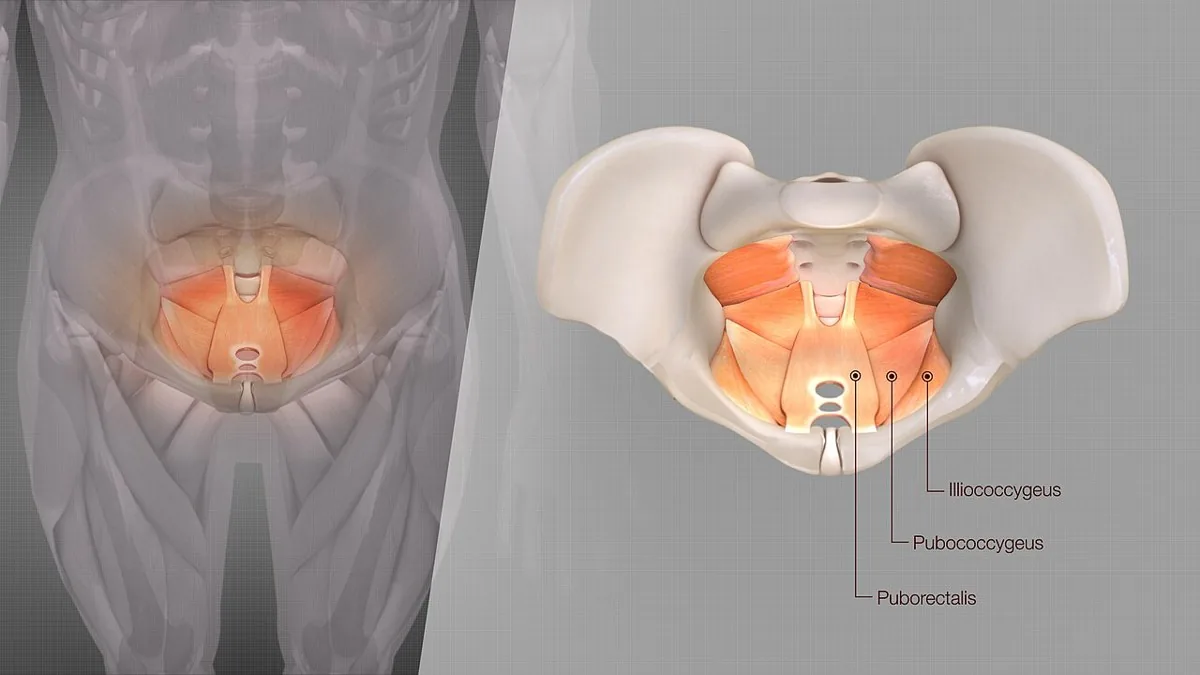
Your pelvic floor is a group of muscles that sits like a hammock at the base of your pelvis. These muscles help support your bladder. They also help hold urine in when pressure rises. When they are weak or not working well, a little urine may escape.
Leaking is common, especially in women, and it can affect anyone at any stage of life. Some women stop jogging, avoid outings or worry about laughing with friends because of it. Common does not mean you must put up with it.
There are other types of bladder leakage too. With urge incontinence, a sudden strong need to pass urine makes it hard to reach the toilet in time. Overflow incontinence happens when the bladder does not empty fully, so it stays too full and leaks. The right care depends on the type, so a physiotherapist always assesses you first.
Common causes
Stress leakage is often linked to weakened pelvic floor muscles. Things that can play a part include:
- Pregnancy and childbirth
- Age-related changes
- Extra body weight
- A long-lasting cough
- Straining because of constipation
- Heavy weight lifting or very strenuous exercise
- Previous pelvic surgery
Some women first notice leaks after having a baby. For others, leaks build up slowly over the years. Your physiotherapist will ask about your history to understand what may be playing a part for you.
How physiotherapy at Mobiphysio can help
Physiotherapy for stress leakage centres on training your pelvic floor muscles. The aim is to help these muscles grow stronger, work for longer and switch on at the right moment. This supports better bladder control. Your plan is built around the type and severity of your leakage.
- Thorough assessment first.Your physiotherapist looks closely at your symptoms and history. They work out the type and severity of your leakage.
- Pelvic floor muscle training.Targeted exercises, such as Kegel exercises, aim to build the strength and endurance of your pelvic floor gradually.
- Bladder retraining.If you also get sudden urges or need to go often, simple everyday strategies aim to help you improve control.
- Electrical muscle stimulation.If the exercises are hard to do, your physiotherapist may suggest gentle muscle stimulation, a form of electrotherapy, to help you find and strengthen the right muscles.
- Hands-on care where helpful.Gentle hands-on techniques may be used to ease muscle tension and help flexibility.
Women's health sessions at Mobiphysio are one-on-one in a private room, so you can speak openly and ask anything. You can ask for a female physiotherapist at either branch. Our staff speak Tamil and English. Care is led by Dr. T.R. Vandana, PT, our founder and senior physiotherapist, and her team.
Results vary from person to person. Your physiotherapist will explain what to expect after your assessment. If you are pregnant or have recently had a baby, we provide care with your doctor's okay. If you have had an operation, follow your surgeon's instructions alongside physiotherapy.
What to expect at your visits
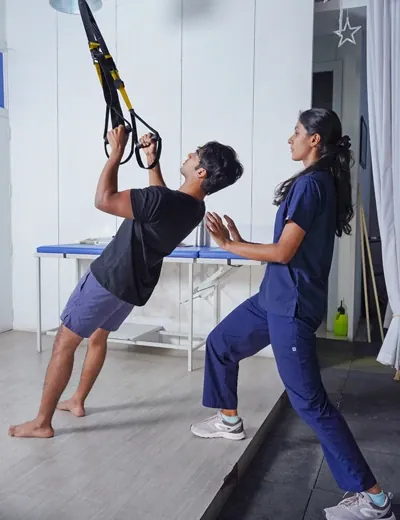
Your first visit takes 45 to 60 minutes. Follow-up visits take 30 to 45 minutes. You do not need a doctor's referral. Please bring any reports, scans or prescriptions you have.
During your first visit, you can expect:
- A private, friendly conversation about your symptoms and daily life, such as when leaks happen and what you now avoid.
- An assessment of your posture, breathing and how your pelvic floor and related muscles work, to understand which type of leakage you may have.
- A clear explanation of what we find, in plain language.
- A personalised plan, explained step by step, with exercises and lifestyle guidance.
At follow-up visits, your physiotherapist guides you through your exercises and supports you as you practise. You can ask questions at any time. We listen, and you decide.
Ask about them when you message or call.
Things you can try at home
These gentle ideas are safe for most people and can be a good place to start.
- Daily pelvic floor squeezes.
Sit or lie comfortably. Gently tighten the muscles you would use to hold in gas and urine, lifting up and in. Hold for a few seconds, then let go fully. Do a few squeezes in a row, a few times a day. Breathe normally and keep your tummy, buttocks and thighs relaxed.
- Squeeze before you sneeze.
Get into the habit of tightening your pelvic floor just before you cough, sneeze, laugh or lift. This includes lifting a bucket, shopping bags or a child. Keep the squeeze and keep breathing (breathe out as you lift), then relax.
- Keep drinking water.
Try not to cut back on water to avoid leaks. Instead, drink steadily through the day. If you have been told to limit how much you drink for a health reason, keep to that advice. Your physiotherapist can talk through your drinking habits with you.
- Note your leaks.
For a few days, write down when leaks happen and what you were doing at the time. Bring this note to your assessment. It helps your physiotherapist understand your pattern.
Stop and get advice if pain gets worse or if the exercises feel uncomfortable. A physiotherapist can also check that you are using the right muscles. If you are pregnant or have recently had a baby, get your doctor's okay before starting new exercises.
Common questions
Is it normal to leak urine after having a baby?
Many women notice leaks after pregnancy and childbirth, so you are not alone. It is common, but you do not have to simply live with it. At Mobiphysio, after-birth care is given with your doctor's okay.
Can physiotherapy help if I leak when I cough or sneeze?
Pelvic floor exercises and, where needed, muscle stimulation aim to strengthen the muscles that support bladder control. Many people find this helps, but results vary from person to person. Your physiotherapist will explain what to expect after your assessment.
Should I drink less water so I leak less?
We suggest drinking water steadily through the day rather than cutting back. If you have been told to limit how much you drink for a health reason, keep to that advice. Your physiotherapist can look at your drinking and toilet habits with you as part of your plan.
How do I know I am doing pelvic floor exercises correctly?
It can be hard to find the right muscles on your own. Some people squeeze their tummy or buttocks instead. Your physiotherapist can check and guide you until you can feel the right muscles working.
Can I ask for a female physiotherapist?
Yes. You can ask for a female physiotherapist at both branches. Women's health sessions are one-on-one in a private room. Our staff speak Tamil and English.
Do I need a doctor's referral?
No referral is needed. Please bring any reports, scans or prescriptions you have.
Book an assessment
 Mobiphysio physiotherapists · RS Puram and Goldwins
If leaking is holding you back, you do not have to manage it alone. WhatsApp or call us on +91 73385 65909 to book a private assessment at either of our branches in Coimbatore:
- RS Puram: No.28, Captain Palaniswamy Layout, opposite the municipal park, RS Puram, Coimbatore 641 002. Open Monday to Saturday, 10 AM to 8 PM.
- Goldwins, Avinashi Road: 11/23, Avinashi Road, opposite Sri Sai Dental Clinic, Karuparampalayam Pirivu, Coimbatore 641 014. Open Monday to Saturday, 8 AM to 1 PM and 4 PM to 8 PM.
Both branches are closed on Sundays and on major festival days such as Pongal and Diwali. Both have ample car parking. Goldwins is on the ground floor. RS Puram is on the ground and first floor, with a ramp for easy access and no lift.
Our team brings 25+ years of experience in physiotherapy and has treated 3000+ patients. Have a question before you book? Message us on WhatsApp or call; we will answer your questions.