
At a glance
- 1Neck pain is soreness or stiffness, often from posture, screens or sleep.
- 2Physiotherapy can help ease pain and improve how your neck moves.
What is neck pain?
Neck pain is aching, soreness or stiffness in the neck. It can be felt from the base of your head down towards your shoulders. It is a common problem for adults. It can make everyday tasks harder, such as turning to look behind you while driving or reading at a desk.
People describe it in different ways. You may notice:
- Pain or stiffness in the neck that spreads to the shoulders
- Trouble turning or tilting your head comfortably
- Aching after long hours on a phone or computer
- Waking up with a sore neck after sleeping badly
- Neck pain that keeps returning
These are common experiences, not a diagnosis. A physiotherapist's assessment can help find what is behind your own neck pain.
Common causes
Neck pain often has more than one cause. Here are some everyday reasons a neck can become sore or stiff.
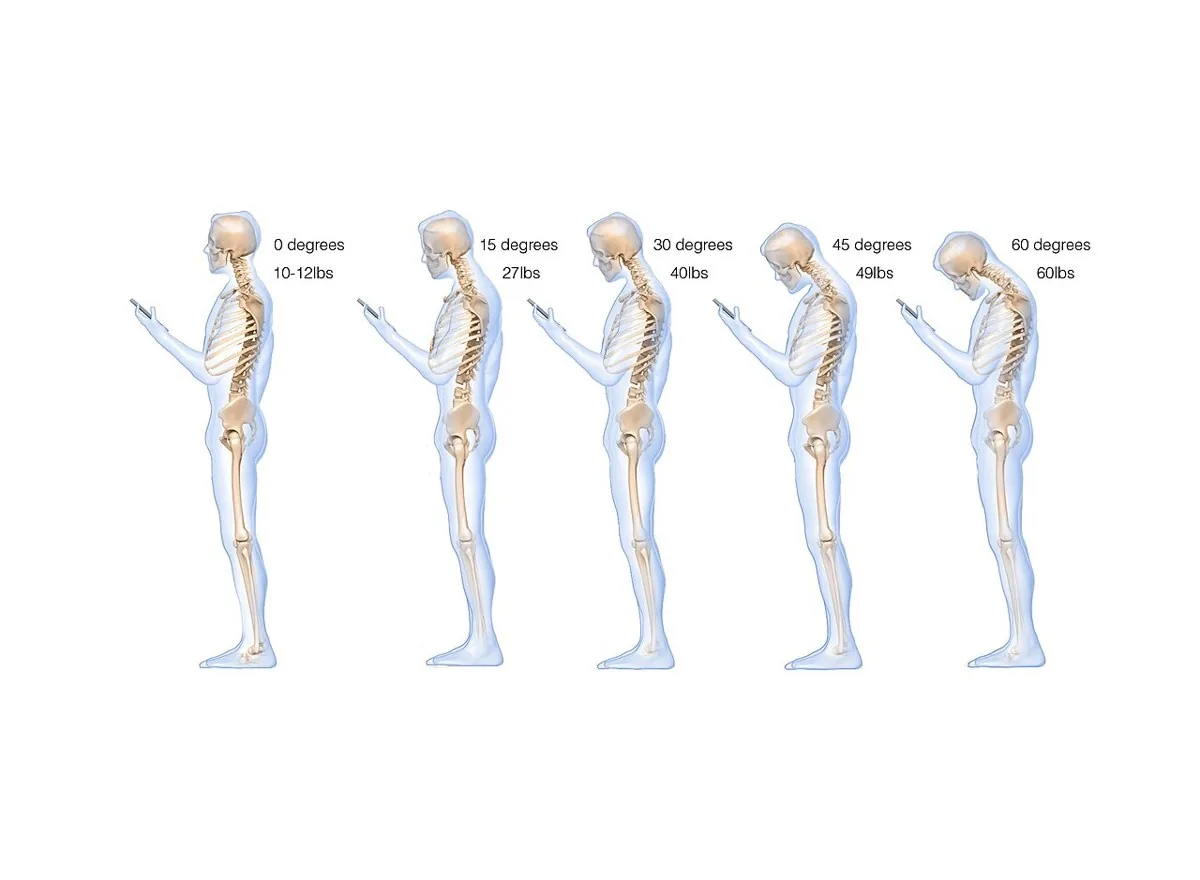
- Poor posture. Slouching, or letting your head drift forward, can strain the muscles of your neck and upper back over the day.
- Long hours on a phone or computer. Looking down at a screen, or staying still at a laptop for hours, can leave your neck tired and stiff.
- Sitting for long periods. A day with little movement gives your neck and back less chance to loosen up.
- Stress and muscle tension. When you are stressed, you may tighten your neck and shoulder muscles without noticing.
- Uncomfortable sleeping positions. Sleeping with your neck twisted, or on a pillow that tilts your head, can mean waking up sore.
- Head or neck injuries. A knock or strain can leave the neck painful and stiff. Tell your physiotherapist about any injury, even an old one.
Two people with the same sore neck can have quite different reasons behind it. That is why treatment at Mobiphysio starts with a thorough assessment. Finding what is behind your pain helps us plan treatment that suits you. It also helps us look at what may lower the chance of it coming back.
How physiotherapy at Mobiphysio can help
Physiotherapy aims to ease your pain and also looks at the causes behind it. Your treatment is one-on-one and planned around you after your assessment. Depending on what we find, it may include:
- Hands-on manual therapy.Your physiotherapist uses hands-on techniques that may ease tight muscles and help your neck move more freely.
- Guided exercises and stretches.You work through exercises and stretches with your physiotherapist that aim to improve movement and flexibility. These may include simple stretches for your neck, chest and shoulders.
- Deep neck muscle exercise.One useful exercise works the deep neck flexors. These are the small muscles at the front of the neck. It may help support posture and ease pain. It is best learned under a physiotherapist's guidance so you do it correctly.
- Strengthening exercises.If your assessment shows they would help, your physiotherapist may add exercises for your upper back, shoulders or trunk. They will show you how to do them safely.
- Electrotherapy or ultrasound, where suitable.These may be used alongside exercise and hands-on care to help ease pain and muscle tension.
- Electrotherapy.Gentle electrical stimulation may help ease pain for some people. It is available at both branches.
- Posture and work set-up advice.We look at how you sit, work and use your devices. Then we suggest changes that may ease the load on your neck. You also learn ways to manage your neck day to day.
Our physiotherapists use methods such as McKenzie, Mulligan and Stecco, and choose what suits you. These are named approaches to hands-on treatment and guided exercise. Your physiotherapist will explain any they use with you. We explain your options and plan treatment with you. We listen, and you decide.
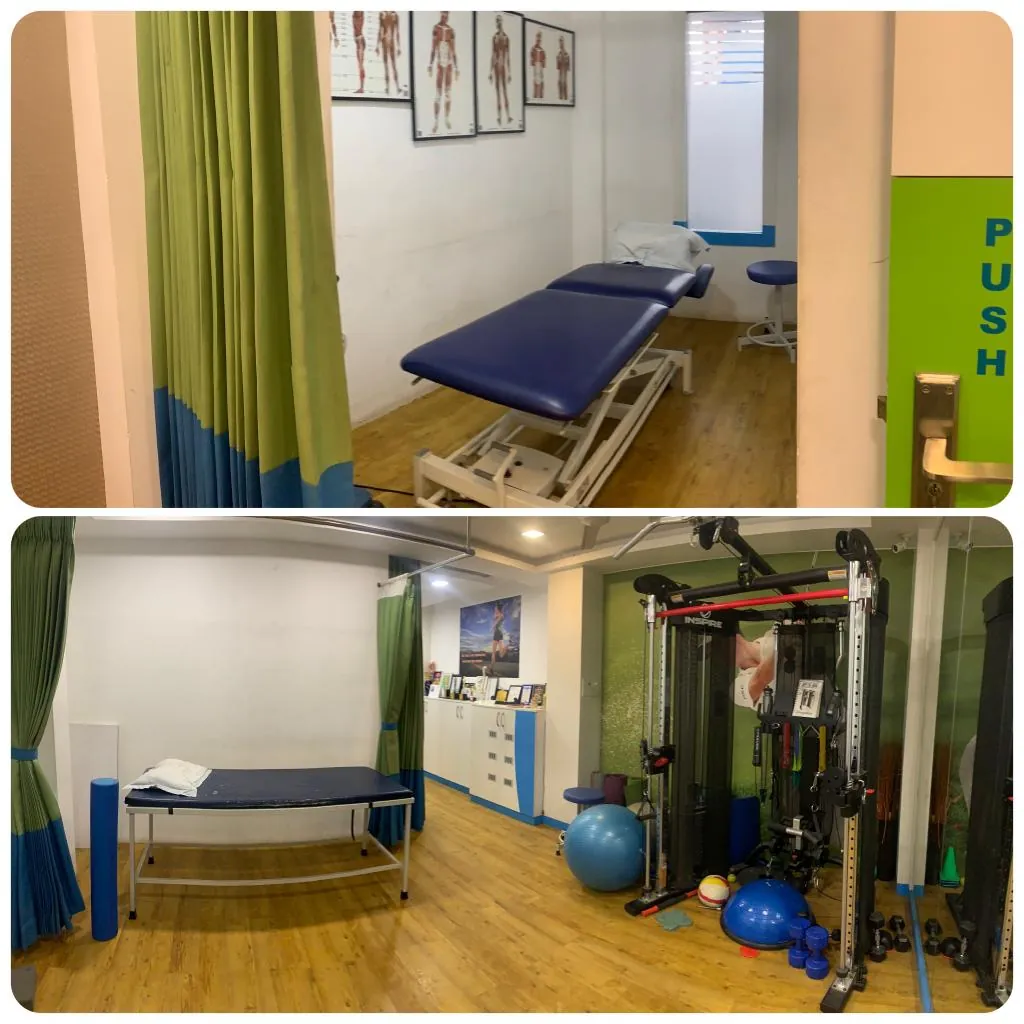
What to expect at your visits
Your first visit takes 45 to 60 minutes. Follow-up visits take 30 to 45 minutes. Please bring any reports, scans or prescriptions you have.
At your first visit:
- We listen to your story. We ask where it hurts, how it started and what makes it worse. We may also ask about your work, phone use and sleep.
- We check how you move. We look at how your neck and head move, and at your posture.
- We explain and plan together. We explain what may be causing your pain and plan your treatment with you.
- You make a start. You may start with relief methods or simple exercises you can continue at home.
At follow-up visits, your physiotherapist checks how you are getting on and adjusts your plan with you. Treatment is one-on-one throughout.
Things you can try at home
These ideas are gentle and suit most people. Move slowly and stay within comfort. Stop and get advice if pain gets worse. If your neck pain started after an injury, have a physiotherapist assess it before trying these.
- Gentle neck turns.
Sit tall and slowly turn your head towards one shoulder, only as far as feels comfortable. Then turn towards the other shoulder. Never force the movement.
- Easy shoulder rolls.
Slowly roll your shoulders up, back and down a few times. This may help loosen tension in your neck and shoulders.
- Short screen breaks.
During long spells on a phone or laptop, look up, stand and move around for a minute or two. A reminder on your phone can help you remember.
- A level pillow.
Choose a pillow that keeps your neck level with the rest of your spine, so your head is not tilted up or down. If you often wake with a sore neck, mention your pillow at your visit.
If a movement hurts, stop. If your pain gets worse or does not settle, get advice from a physiotherapist.
Common questions
Can long hours on my phone or laptop cause neck pain?
Yes, it can. Looking down at a screen or sitting still for a long time can leave the neck stiff and sore. Short breaks and a better set-up may help.
Can physiotherapy help with neck pain?
It can help. Treatment aims to ease pain, improve movement and build strength. Results vary from person to person.
What if my neck pain keeps coming back?
A thorough assessment helps us understand what is behind it. Your plan may include exercises and advice on posture and daily habits. These may lower the chance of it returning.
Which pillow is best for neck pain?
There is no single best pillow for everyone. Many people find a pillow that keeps the neck level with the spine more comfortable. Your physiotherapist can talk through your sleeping position with you.
Do I need a doctor's referral?
No, you do not need a doctor's referral. Please bring any reports, scans or prescriptions you have.
Can I ask for a female physiotherapist?
Yes. You can ask for a female physiotherapist, or a particular physiotherapist, at both branches. Just tell us when you book.
Book an assessment
 Mobiphysio physiotherapists · RS Puram and Goldwins
If your neck is sore or stiff, a thorough assessment is a good first step. To book a visit, WhatsApp or call us on +91 73385 65909.
Have a question first? Message us on WhatsApp or call; we will answer your questions.
- RS Puram: No.28, Captain Palaniswamy Layout, opposite the municipal park, RS Puram, Coimbatore 641 002. Open Monday to Saturday, 10 AM to 8 PM. Google Maps
- Goldwins, Avinashi Road: 11/23, Avinashi Road, opposite Sri Sai Dental Clinic, Karuparampalayam Pirivu, Coimbatore 641 014. Open Monday to Saturday, 8 AM to 1 PM and 4 PM to 8 PM. Google Maps
Both branches are closed on Sundays and major festival days such as Pongal and Diwali. Both have ample car parking, and our team speaks Tamil and English.
Dr. T.R. Vandana, PT, and our team have 25+ years of experience in physiotherapy and have treated 3000+ patients. We would be glad to help you understand your neck pain and plan the next steps with you.