
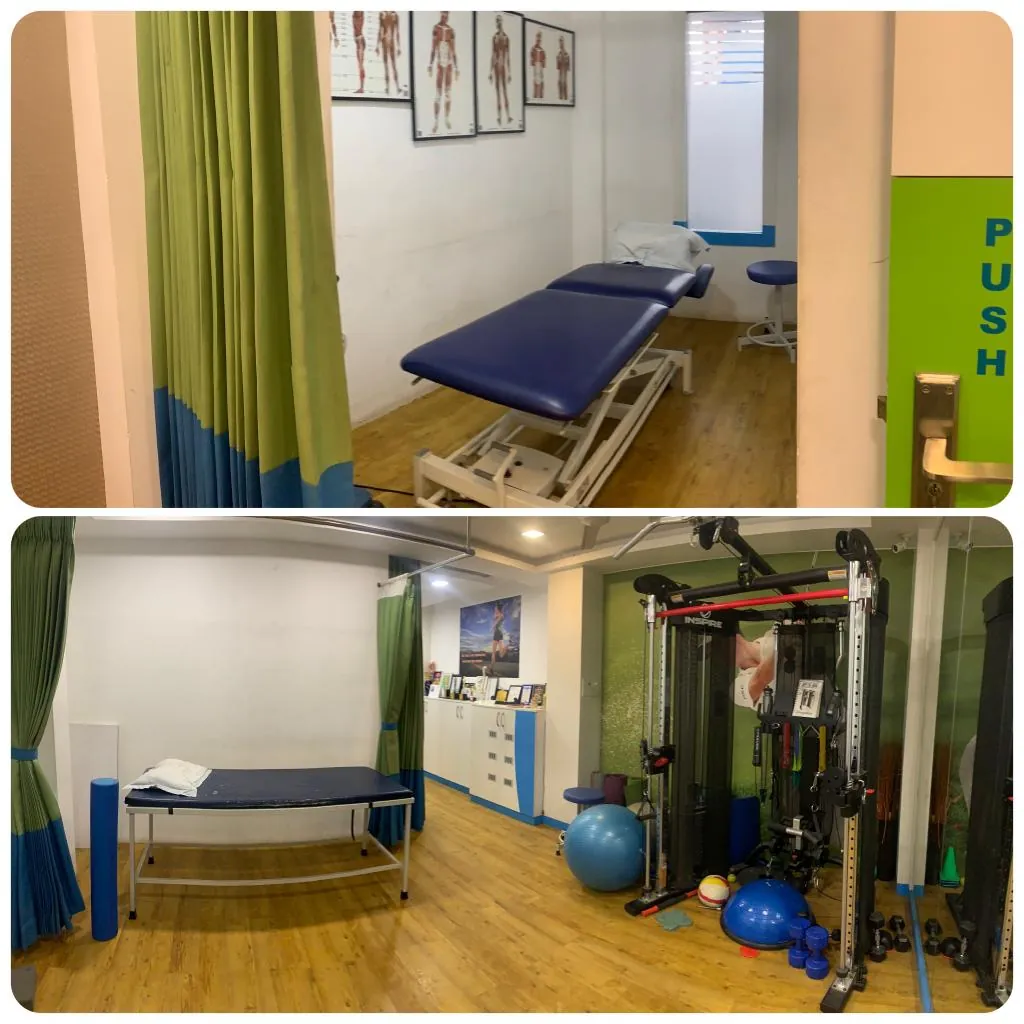
At a glance
- 1Strengthening, stretching, mobility, balance and posture exercises chosen for you.
- 2One part of your plan, chosen after a physiotherapy assessment.
What is exercise therapy?
In exercise therapy, your physiotherapist picks exercises that suit you, based on what they find at your assessment. These may include strengthening, stretching, mobility, balance and posture exercises. Your physiotherapist shows you each one, watches how you do it and helps you get the movement right. They also explain, in plain words, why each exercise is part of your plan.
The aim is to help you move more easily and with more confidence in daily life. Guided exercise may help improve your range of motion, strength and flexibility, and it may ease pain. Balance exercises may help improve your balance and coordination. Many people also find it helps them understand which movements make their pain better or worse. Results differ from person to person.
Exercise therapy is usually combined with advice and other care rather than used alone. Your physiotherapist may add hands-on treatment and advice on how you sit, stand and move during your day. You then keep going with a short home programme between visits.
Problems it is often used for
- Knee painBuilding the muscles around the knee aims to improve strength and stability for walking and stairs.
- Lower back painA personalised programme may help strengthen your core muscles and improve flexibility.
- Neck painPosture and mobility exercises may help when your neck aches after long hours at a desk.
- Shoulder painStrengthening and mobility exercises may help shoulders that feel stiff, achy or tired, for example after desk work or long commutes.
- Poor posturePosture exercises aim to help you sit and stand better over time.
If you are not sure what is behind your pain, an assessment is a good place to start.
How we use it at Mobiphysio
Exercise therapy is not a fixed routine. Here is how it fits into your care with us.
- Assessment comes firstYour physiotherapist asks about your pain and routine, and checks how the area moves. They then explain whether exercise therapy may suit you and suggest which exercises to start with.
- One-on-one in the clinicOne of our physiotherapists teaches your exercises to you personally. Our team is led by Dr. T.R. Vandana, PT. At both branches, you can ask for a particular physiotherapist, or a female physiotherapist.
- A short home programmeYou continue a few exercises at home between visits. Your physiotherapist checks how you are doing them and progresses them when you are ready.
- Part of a wider planExercise therapy often sits alongside hands-on treatment and practical advice, such as tips for your desk setup or safer ways of moving things. We listen, you decide: your physiotherapist explains the options in plain words, and you agree on the plan together.
What to expect in a session
- You start by talking.
At your first visit, you begin with the assessment, which takes 45-60 minutes. At follow-up visits (30-45 minutes), your physiotherapist asks how you feel and how your home exercises have gone. Comfortable clothes you can move in will help.
- You try each exercise with guidance.
Your physiotherapist shows the movement first, then watches as you do it. You may feel your muscles working or a gentle stretch.
- Your physiotherapist adjusts as you go.
They may change your position, make an exercise easier or harder, or swap it for another. You can ask to stop or change anything that feels uncomfortable at any time.
- You leave with a clear home plan.
You know which few exercises to do at home and how to do them. If an exercise makes your pain worse, stop and get advice from your physiotherapist.
Common questions
Does exercise therapy hurt?
Many people feel their muscles working or a mild stretch. Tell your physiotherapist how each exercise feels, especially if your pain gets worse. In the clinic, you can ask to stop or change anything that feels uncomfortable. At home, if an exercise makes your pain worse, stop and get advice from your physiotherapist.
Is exercise therapy safe for me?
Your physiotherapist first checks whether it suits you, for example during pregnancy or after an operation. In pregnancy and after birth, we need your doctor's okay, so please bring any note or reports from your doctor. After an operation, keep following your surgeon's instructions alongside physiotherapy.
How is it different from a massage?
In a massage, your physiotherapist works on your muscles while you relax. In exercise therapy, you do the movements yourself, with guidance, and continue them at home. Your physiotherapist may use both, depending on your assessment.
How many sessions will I need?
It depends on what your physiotherapist finds at your assessment and how you respond. They will talk this through with you and review it as you go.
Can I keep up my usual exercise or sport?
Tell your physiotherapist what you usually do. They can advise how to fit it alongside your exercise therapy and suggest changes to your activities if needed.
Book an assessment
 Mobiphysio physiotherapists · RS Puram and Goldwins
To find out whether exercise therapy may suit you, WhatsApp or call us on +91 73385 65909. Dr. T.R. Vandana, PT, and her team bring 25+ years of experience in physiotherapy and have treated 3000+ patients.
- RS Puram: No.28, Captain Palaniswamy Layout, opposite the municipal park, RS Puram, Coimbatore 641 002. Monday to Saturday, 10 AM to 8 PM.
- Goldwins, Avinashi Road: 11/23, Avinashi Road, opposite Sri Sai Dental Clinic, Karuparampalayam Pirivu, Coimbatore 641 014. Monday to Saturday, 8 AM to 1 PM and 4 PM to 8 PM.
Both branches are closed on Sundays and on major festival days such as Pongal and Diwali. You do not need a doctor's referral. Please bring any reports, scans or prescriptions you have. Our staff speak Tamil and English, and both branches have ample car parking. Message us on WhatsApp or call; we will answer your questions.