
At a glance
- 1Pelvic floor muscles can weaken around menopause, sometimes causing leaks or heaviness.
- 2Private physiotherapy sessions can help train these muscles at any age.
What is pelvic floor weakness around menopause?
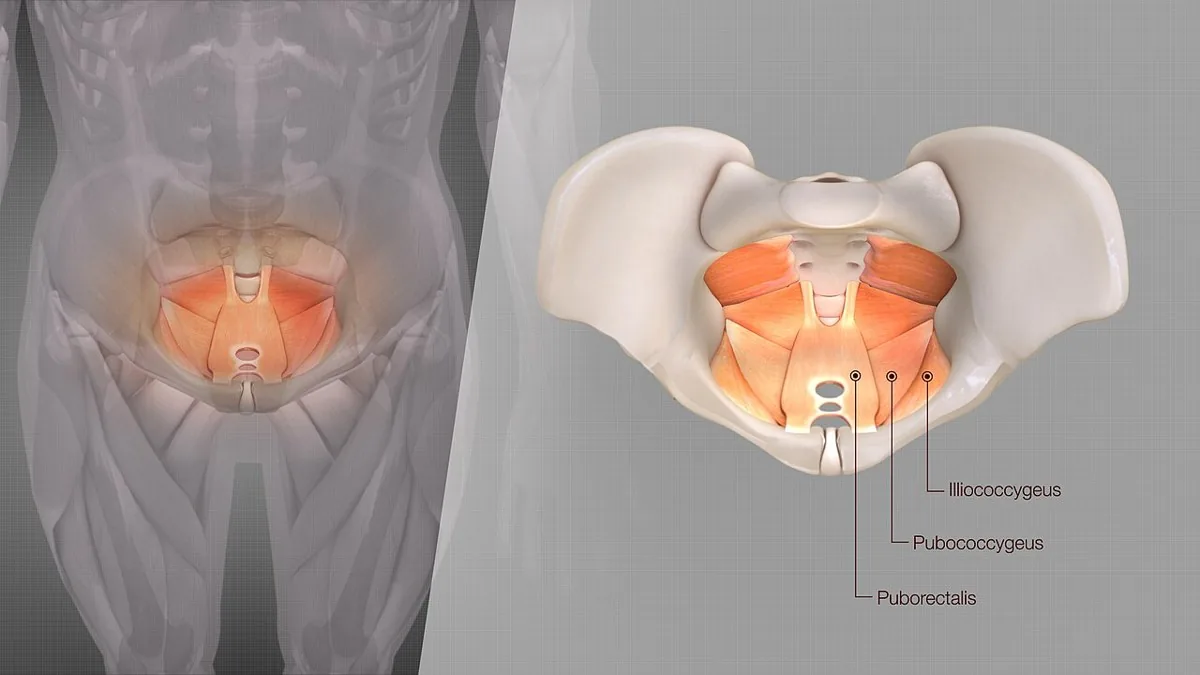
The pelvic floor is a group of muscles at the base of your pelvis. It works like a supportive sling for the bladder, bowel and womb. These muscles also help you hold in urine, stools and gas. They relax when you go to the toilet.
As we get older, muscles across the body can lose some strength and endurance, especially if they are not used regularly. The pelvic floor is no different. Around menopause, oestrogen levels fall. Lower oestrogen can make the tissues around the bladder and vagina thinner and less stretchy. This means the pelvic floor may have to work harder to give support. Many women notice a difference in their bladder control or pelvic comfort at this time.
Some changes women notice include:
- Leaking a little urine when you cough, sneeze, laugh or exercise
- Sudden urges to pass urine, and difficulty reaching the toilet in time
- A sense of heaviness or discomfort in the pelvis
- Avoiding walks, outings or family functions because of worry about leaks
These symptoms can have more than one cause. An assessment by a physiotherapist is a good first step to understand what is behind your symptoms. The good news is that your pelvic floor is made of muscle, and muscles can still be trained at any age.
Common causes
There is often more than one reason. Common causes include:
- Age-related changes. Muscles can lose strength over time. Lower oestrogen around menopause can also affect the tissues that support the bladder.
- Pregnancy and childbirth. Past pregnancies and births can stretch and strain the pelvic floor. The effects can sometimes show later in life.
- Extra body weight. Carrying extra weight adds load on the pelvic floor every day.
- Heavy lifting or very strenuous exercise. Repeated heavy lifting at home or at work, or very strenuous exercise, can put strain on these muscles. Gentle, regular activity and strength work are still worth keeping up. See the home ideas below.
- Constipation and straining. Regular straining on the toilet can add pressure on the bladder and pelvic floor.
- Previous pelvic surgery. An earlier operation in the pelvic area can affect these muscles. If you have had an operation, follow your surgeon's instructions alongside physiotherapy.
Knowing the common causes cannot tell you what is happening in your own body. That is what an assessment is for.
How physiotherapy at Mobiphysio can help
At Mobiphysio, Dr. T.R. Vandana, PT, and her team offer pelvic floor strengthening as part of our women's wellness care. Sessions are private and one-on-one, with a female physiotherapist on request. We begin with a careful assessment, then build a plan around your needs.
Your plan may include:
- Pelvic floor muscle training.Targeted exercises, sometimes called Kegel exercises, aim to build the strength and endurance of your pelvic floor, step by step.
- Bladder and bowel retraining.Simple strategies aim to help you improve bladder and bowel control.
- Hands-on manual therapy.Gentle techniques may ease muscle tension and help flexibility.
- Electrical muscle stimulation.Your physiotherapist may suggest this to help build muscle strength.
- Lifestyle guidance.Practical advice on activity, lifting and daily habits that fits your life.
We aim to help you manage leaks and pelvic discomfort with more confidence in daily life. Results differ from person to person.
What to expect at your visits
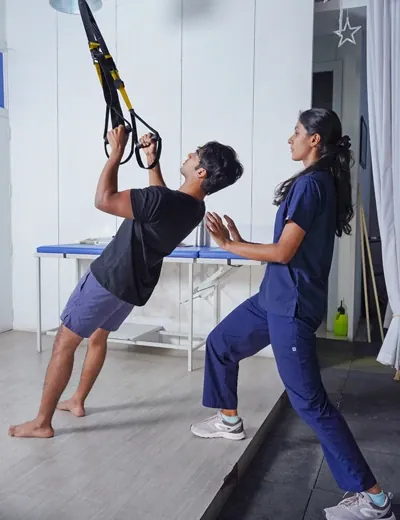
Your first visit takes 45 to 60 minutes. We listen to your concerns in a comfortable, private setting, so you can speak openly without embarrassment. Our staff speak Tamil and English.
During the assessment, your physiotherapist will:
- Ask about your symptoms, your health history and your daily routine
- Look at your posture and your breathing
- Assess how your pelvic floor and related muscles work
- Explain what they find in plain language
- Work out a personalised plan with you, with exercises and lifestyle guidance
Follow-up visits take 30 to 45 minutes. At each visit, we review how you are getting on, guide your exercises and adjust your plan as needed. We listen, and you decide what suits you.
Things you can try at home
These gentle ideas suit most people. Practise them regularly, and go at your own pace.
- Daily pelvic floor squeezes.
Sit or lie comfortably. Gently squeeze and lift the muscles you use to hold in gas and urine. Hold for a few seconds. Then fully relax. Keep breathing normally, and try not to tighten your buttocks or thighs. Repeat a few times through the day. If you already have pelvic pain, or the squeezes feel uncomfortable, wait for your physiotherapist's advice before doing them.
- Squeeze before you cough.
Try a gentle pelvic floor squeeze just before you cough, sneeze, laugh or lift something. With practice, many people find this becomes a helpful habit.
- Walk most days.
Regular walking keeps you active and supports your overall strength. Start with a comfortable distance, perhaps in the cooler morning or evening, and build up slowly.
- Add gentle strength work.
Simple exercises, such as slowly standing up from a firm chair and sitting back down, can help keep your legs and hips strong. Use a steady chair that will not slide, and use your hands on the armrests if you need to. Breathe out as you stand, and avoid holding your breath or lifting very heavy loads.
- Build good bladder habits.
Sip water regularly through the day rather than cutting down to avoid leaks, unless you have been told to limit fluids. Try not to go to the toilet "just in case" too often, and avoid straining when you pass stools.
Stop and get advice if pain gets worse, or if anything does not seem right. Your physiotherapist can tell you how long to hold each squeeze and how many to do.
Common questions
Are bladder leaks just a normal part of getting older?
Bladder leaks are common around and after menopause, but common does not mean you must put up with them. Physiotherapy can help many women. An assessment helps us understand what is going on for you.
Am I too old to strengthen my pelvic floor?
No. Your pelvic floor is made of muscle, and muscles can be trained at any age. We go at a pace that suits you.
How do I know if I am doing pelvic floor exercises correctly?
It is very common to be unsure whether you are using the right muscles. Your physiotherapist will check how your muscles work and guide you step by step. If exercises are hard to do at first, they may suggest electrical muscle stimulation to help build strength.
Can physiotherapy help with sudden urges, not just leaks when I cough?
Your plan may include bladder retraining, which uses simple strategies to help improve control. Results differ from person to person. Your physiotherapist will explain what to expect after your assessment.
Can I see a female physiotherapist?
Yes. You can ask for a female physiotherapist at both our RS Puram and Goldwins branches. Women's health sessions are one-on-one in a private room.
Do I need a doctor's referral?
No, you do not need a doctor's referral. Please bring any reports, scans or prescriptions you have.
Book an assessment
 Mobiphysio physiotherapists · RS Puram and Goldwins
If you have noticed bladder leaks, urgency or pelvic heaviness, we are here to help. WhatsApp or call Mobiphysio on +91 73385 65909 to book your assessment.
At Mobiphysio, we have 25+ years of experience in physiotherapy and have treated 3000+ patients. Visit us at either branch:
- RS Puram: No.28, Captain Palaniswamy Layout, opposite the municipal park, RS Puram, Coimbatore 641 002. Open Monday to Saturday, 10 AM to 8 PM. Google Maps
- Goldwins, Avinashi Road: 11/23, Avinashi Road, opposite Sri Sai Dental Clinic, Karuparampalayam Pirivu, Coimbatore 641 014. Open Monday to Saturday, 8 AM to 1 PM and 4 PM to 8 PM. Google Maps
Both branches are closed on Sundays and major festival days, including Pongal and Diwali. There is ample car parking at both branches. Tell us when you book if stairs are hard for you.
Message us on WhatsApp or call; we will answer your questions.