
At a glance
- 1A muscle contusion is a bruised muscle from a direct knock.
- 2Physiotherapy aims to ease swelling and restore movement and strength.
What is a muscle contusion?
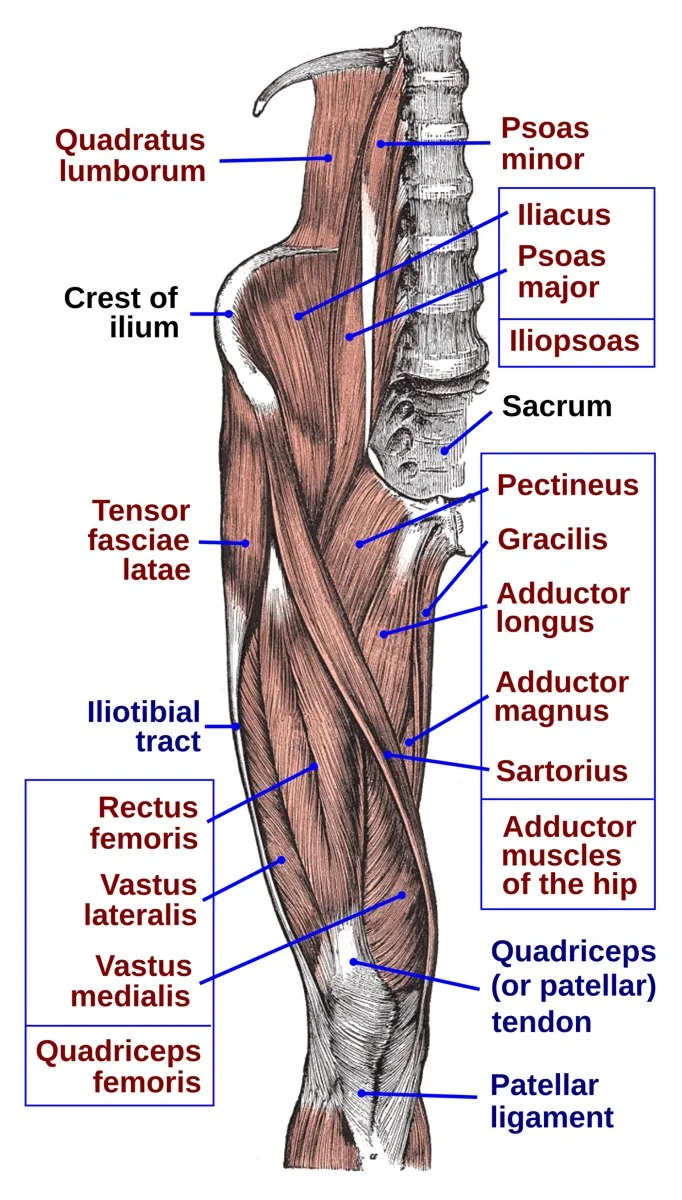
A muscle contusion is the medical name for a bruised muscle. It happens when something hits a muscle hard, such as a knee, an elbow, a hockey stick or a cricket ball. The blow squashes the muscle against the bone underneath. When it happens in the thigh, many players call it a "dead leg".
Inside the muscle, the blow damages tiny blood vessels and some muscle fibres. Blood and fluid leak into the area. This causes swelling, tenderness and the bruise you may see on the skin. The bruise may take a day or two to show, and it can spread a little below the spot that was hit. The muscle often tightens up to protect itself, so it can become stiff and weak. After a knock to the front of the thigh, for example, bending the knee fully may be hard.
Over time, the body clears away the leaked blood and repairs the damaged fibres. How long this takes differs from person to person and depends on the knock. While the muscle heals, it can lose some of its stretch and strength if it is not used. This is why early care, gentle movement and graded strengthening matter.
A contusion is different from a muscle strain, which happens when a muscle is overstretched or overloaded rather than hit. Both can cause pain and swelling. A physiotherapist can assess the area and explain what they find.
Common causes
Contusions come from a direct blow rather than a twist or overstretch. Common situations on Coimbatore's grounds and courts include:
- A knee to the thigh during a football challenge or a kabaddi tackle
- A cricket ball striking the thigh, calf or forearm while batting or fielding
- An elbow or shoulder collision in basketball, volleyball or handball
- A hockey stick or ball hitting the calf or thigh
- Falling hard onto a court, track or ground
- Running into a teammate, goalpost or wall
The blow often lands on large muscles such as the front of the thigh, the calf and the upper arm.
How physiotherapy at Mobiphysio can help
At Mobiphysio, treatment is one-on-one and always starts with an assessment. Your physiotherapist then plans care around your injury, your sport and your goals. They choose from the options below based on what suits you.
- Assessment firstYour physiotherapist checks how the knock happened, where it hurts, how swollen the area is and how well the muscle moves. They also check whether cryotherapy suits you.
- Cryotherapy for recent injuriesControlled cold is applied to the injured area, without needles or cuts, to help ease pain and swelling. At Mobiphysio we use it only for recent (acute) sports injuries.
- Swelling careWe explain R.I.C.E. (rest, ice, compression and elevation). We can recommend and provide compression garments that give steady pressure. Manual lymphatic drainage is a light hands-on technique that may help fluid drain and swelling settle.
- Electrotherapy and ultrasound therapyBoth are available at our two branches. Ultrasound therapy here is a treatment, not a scan. Your physiotherapist may use them if they suit you.
- Gentle movement and hands-on careGuided movement aims to help the muscle regain its stretch without overloading it. When the area has settled, hands-on manual therapy may ease tightness around the sore spot.
- Graded strengtheningYour physiotherapist designs exercises that build up step by step. They aim to restore strength, improve stability and lower the risk of re-injury, though no one can promise it will never happen.
- Return to sportAs you progress, your physiotherapist can guide you back towards running, turning and contact in your own sport.
Together, these aim to restore full movement and strength. We explain each step, listen to your goals, and you decide.
What to expect at your visits
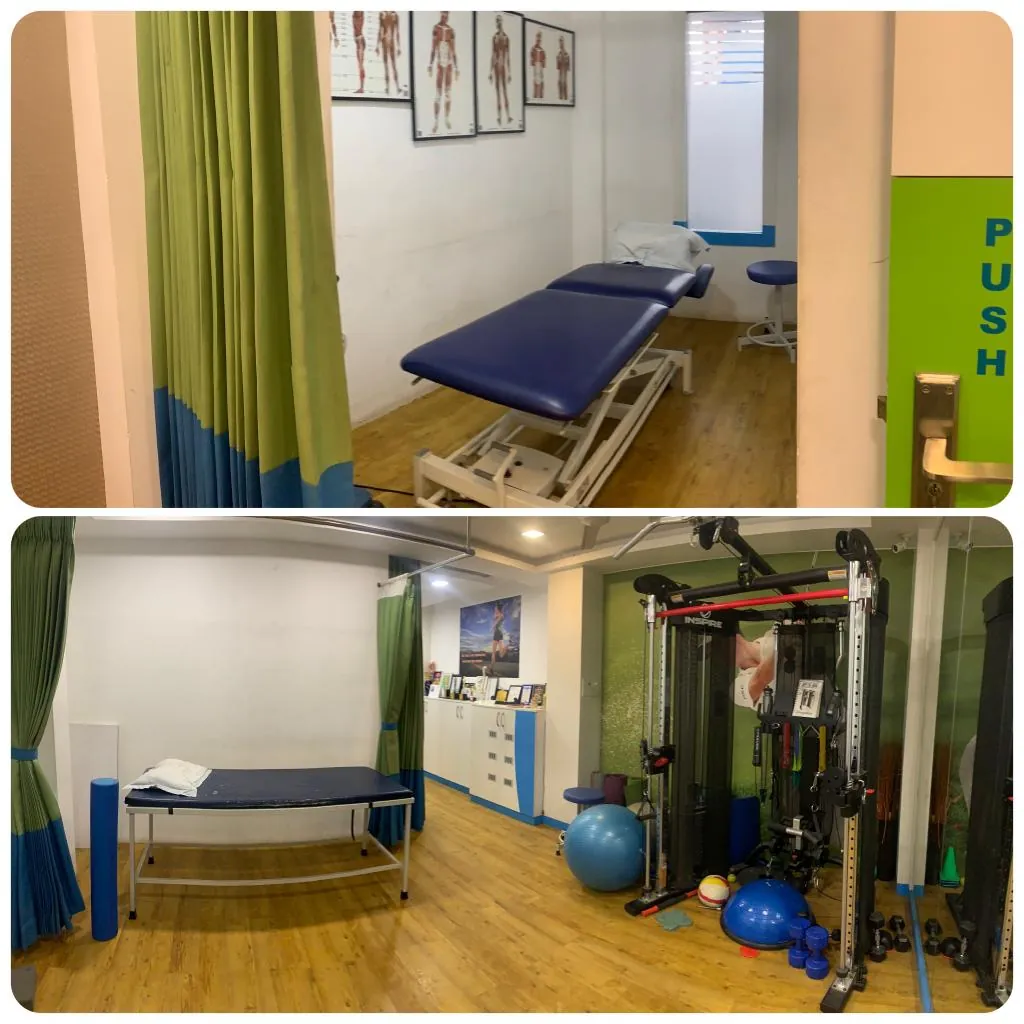
Your first visit takes 45 to 60 minutes. Follow-up visits take 30 to 45 minutes. Each visit is one-on-one with your physiotherapist.
- You tell us your story: how the knock happened, where it hurts and how it affects your sport and your day.
- We examine the area: your physiotherapist looks at the swelling, how far the muscle stretches, how strong it is and how you move.
- We explain the plan: you hear what we found, what each session involves and how care may change over time.
- Treatment can begin: you may start gentle treatment on the first visit, with clear advice for home.
- Follow-up visits: your physiotherapist checks how you are doing and moves your exercises on step by step.
You do not need a doctor's referral. Please bring any reports, scans or prescriptions you have. Our staff speak Tamil and English.
Things you can try at home
These ideas are gentle and general, and are meant to suit most people after a knock in sport. They do not replace an assessment. If pain gets worse with any of these, stop and get advice from a physiotherapist.
- Cool it early
Wrap a cold pack or some ice in a thin cloth and rest it on the sore area for short spells. Never put ice straight onto bare skin. Check your skin, and take the pack off if the area feels numb or very uncomfortable. If you have reduced feeling in your skin or poor circulation, ask your physiotherapist before using cold.
- Rest it raised
Rest the area. Where comfortable, raise it on a pillow so it sits a little higher. This may help swelling settle.
- Move gently within comfort
Slowly bend and straighten the nearby joint a few times a day, staying within comfort. Do not push into pain. Stop if it starts to hurt more.
- Go easy on massage
Avoid firm rubbing or deep massage on the sore spot at first, as it may irritate the injured muscle. Your physiotherapist can advise when hands-on care suits you.
- Ease back gradually
Return to daily tasks and light activity a little at a time. Stop and get advice from a physiotherapist if pain gets worse.
Common questions
Should I use ice or a hot water bag on a bruised muscle?
Early on, many people find that a cold pack wrapped in a cloth helps ease pain and swelling. Heat is usually best avoided on a fresh, swollen bruise. Your physiotherapist can tell you when warmth may suit you.
Can I rub oil or massage the sore spot?
Firm rubbing, with or without oil, is best avoided on a fresh bruise at first, as it may irritate the muscle. Once things settle, your physiotherapist can advise on gentle hands-on care.
Can I keep playing after a knock to the thigh?
If the muscle is painful or you cannot move it comfortably, it is wiser to stop for the day. Playing on through pain may make the injury worse. A physiotherapist can assess the area and help you plan your return.
When can I go back to cricket or football?
There is no fixed date, because every knock and every person is different. We aim to guide you back step by step, once your movement and strength allow.
Can I ask for a female physiotherapist?
Yes. You can ask for a particular physiotherapist, or a female physiotherapist, at both branches. Just mention it when you book by WhatsApp or phone.
Book an assessment
 Mobiphysio physiotherapists · RS Puram and Goldwins
Has a knock in sport left you with a sore, swollen or stiff muscle? Our physiotherapists can assess it and plan care with you. WhatsApp or call us on +91 73385 65909 to book.
Dr. T.R. Vandana, PT, and her team of physiotherapists have 25+ years of experience and have treated 3000+ patients. Every injury is different, so we plan care around you and your sport.
- RS Puram: No.28, Captain Palaniswamy Layout, opposite the municipal park, RS Puram, Coimbatore 641 002. Monday to Saturday, 10 AM to 8 PM. Google Maps
- Goldwins, Avinashi Road: 11/23, Avinashi Road, opposite Sri Sai Dental Clinic, Karuparampalayam Pirivu, Coimbatore 641 014. Monday to Saturday, 8 AM to 1 PM and 4 PM to 8 PM. Google Maps
Both branches are closed on Sundays and major festival days such as Pongal and Diwali. Both have ample car parking. Have a question before you book? Message us on WhatsApp or call; we will answer your questions.