
At a glance
- 1Plantar fasciitis: an irritated, painful band of tissue under the foot.
- 2Physiotherapy aims to ease pain with stretches, strengthening and hands-on care.
What is heel pain from plantar fasciitis?
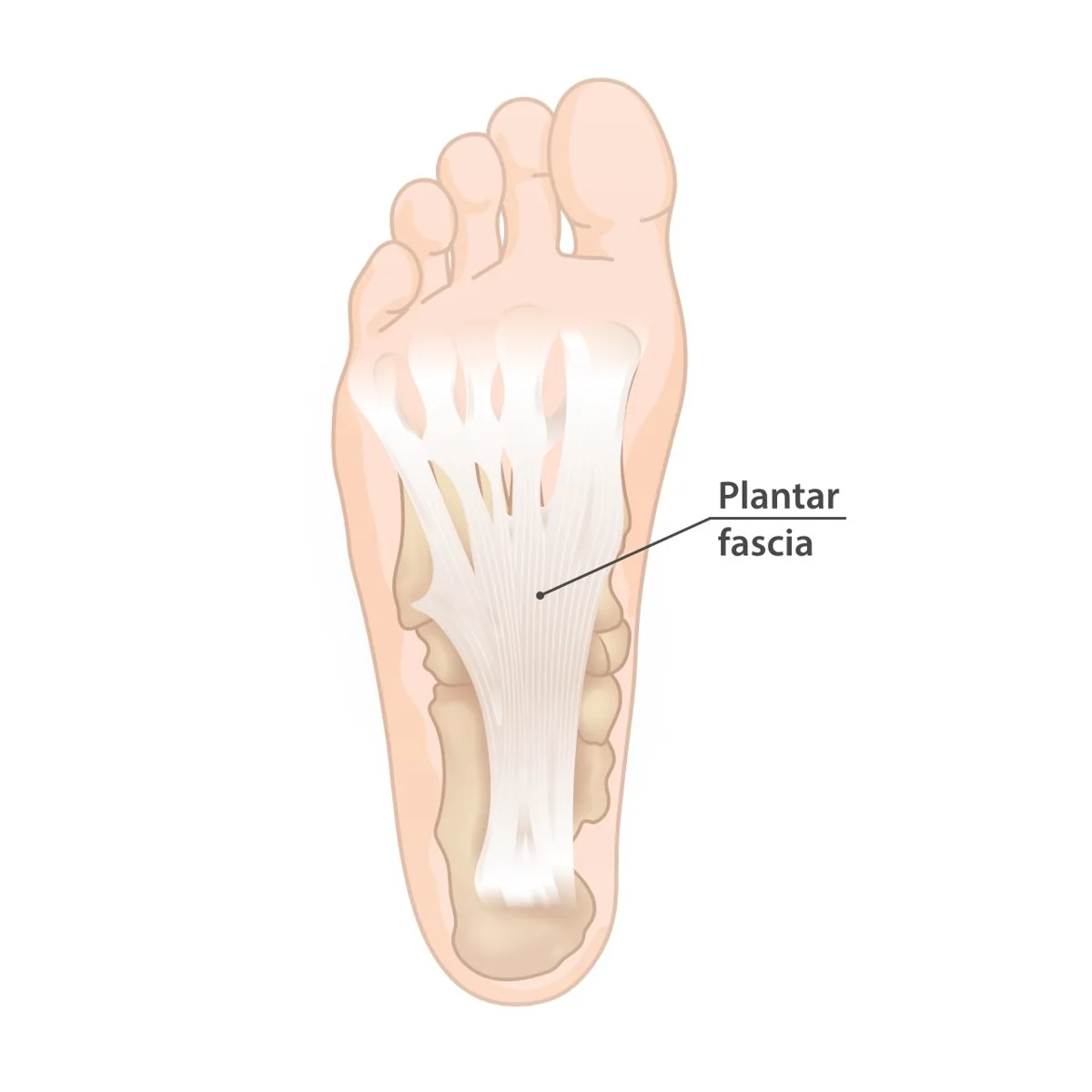
The plantar fascia is a thick, strong band of tissue on the sole of your foot. It runs from the heel bone to the base of the toes. It helps support your arch every time you stand, walk or run.
When this band takes more load than it is used to, it can become irritated and sore. This often happens where it joins the heel. This is what people call plantar fasciitis.
A common pattern is sharp pain under the heel on the first steps out of bed. The pain may ease as you move about. It may then return after sitting for a while or at the end of a long day of standing.
Heel pain can have other causes too, so it is worth having your foot assessed by a physiotherapist rather than guessing. The reassuring part is that this kind of heel pain usually settles when the load on the foot is managed well, step by step.
Common causes
Heel pain like this often builds up slowly. There is rarely one single reason. It is usually a mix of things that add up over time.
Common contributors include:
- Long hours of standing. Teachers, shop staff and homemakers often stand for hours on hard floors. This puts steady load on the heel.
- A sudden increase in walking or running. Starting a new walking routine, adding distance quickly or walking much more than usual can ask too much of the foot too soon.
- Tight calf muscles. When the calf is tight, more strain can pass through to the band under the foot.
- Flat or worn-out footwear. Thin soles, flat slippers and old shoes with worn-down cushioning give the heel little support.
- Walking barefoot at home. Hard tile or stone floors give the heel little cushioning when you are barefoot.
Your physiotherapist will look at which of these may apply to you, so your plan can fit your work and home routine.
How physiotherapy at Mobiphysio can help
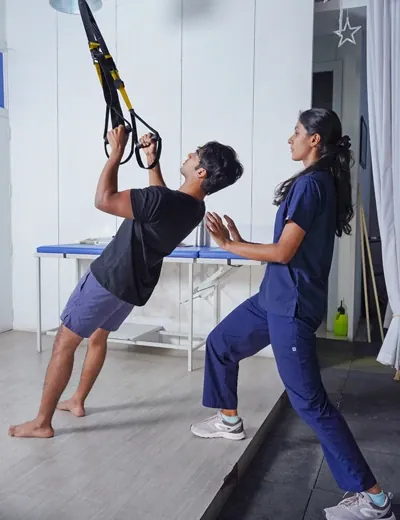
Treatment at Mobiphysio is one-on-one and starts with a thorough assessment. The aim is to calm the heel down, then help your foot and calf cope with everyday load again. Your plan may include some of the following:
- Assessment of how you move.Your physiotherapist looks at how your foot and ankle move, how flexible your calf is, and how you walk and stand.
- Hands-on soft tissue work.Gentle hands-on techniques for the calf and the sole of the foot may help ease tension and pain. Our physiotherapists may use methods such as Stecco fascial manipulation where suitable.
- Calf and foot stretches.You learn simple stretches for the calf and the arch, and how often to do them.
- Gradual strengthening.Exercises aim to build up the calf and the small muscles of the foot, step by step. This helps the foot handle more load over time.
- Footwear and standing habits.We talk through the footwear you use and how long you stand. We then suggest small changes that fit your work and home life.
- Ultrasound therapy.Therapeutic ultrasound may be used as one part of your plan to help ease pain.
We listen, and you decide. Your physiotherapist explains the options in plain words, and you agree on the plan together. Your plan can be adjusted as your heel responds.
What to expect at your visits
Your first visit takes 45 to 60 minutes. Your physiotherapist asks how the pain started, when it is worst, and what a normal day looks like for you. This includes how long you stand, the floors you stand on, and the footwear you use at home and at work.
Next, they check how your foot and ankle move, how your calf stretches and how you walk. Where relevant, they may also check feeling and strength.
You will hear, in simple terms, what your physiotherapist thinks may be contributing to your pain. You then agree on a plan together. You may begin treatment and leave with a few simple exercises for home.
Follow-up visits take 30 to 45 minutes. They are a chance to check how your heel is responding, progress your exercises and adjust the plan.
Please bring any reports, scans or prescriptions you have. Our staff speak Tamil and English, so you can explain things in the language you are most comfortable with.
Things you can try at home
These simple ideas are gentle and safe for most people. Go slowly, and stop and get advice if pain gets worse.
- Wall calf stretch.
Stand facing a wall with your hands on it and one foot behind the other. Keep the back heel down and the knee straight. Lean forward gently until you feel a stretch in the calf. Hold for a few slow breaths, then swap sides.
- Roll your arch.
Sit on a chair and slowly roll the arch of your foot back and forth over a plastic water bottle. Use light, comfortable pressure for a minute or two.
- Cushioned footwear indoors.
Keep soft, cushioned footwear by the bed. Wear it around the house instead of going barefoot, especially for your first steps in the morning.
- Break up long standing.
Your work or housework may keep you standing for hours. If so, take short breaks to sit down or change position when you can. Even a few minutes of sitting through the day may ease the load on your heel.
If you are unsure which exercises suit you, a physiotherapist can assess you and guide you.
Common questions
Why is heel pain often worst on the first steps in the morning?
The band under the foot and the calf muscles can stiffen while you rest. Your first steps then stretch them suddenly, which can hurt. Many people notice the pain eases as they move, then returns after sitting.
Is it okay to walk barefoot at home?
Walking barefoot on hard floors gives the heel little cushioning. Many people are more comfortable in soft, cushioned footwear indoors while the heel settles. Your physiotherapist can suggest what suits you.
Should I stop my morning walk?
Not always. Many people find it helps to shorten the walk for a while rather than stop completely, then build up slowly. If walking makes your heel pain worse, ease off and get advice. Your physiotherapist can help you plan this around your pain.
Are stretches enough on their own?
Stretches can help, but many people also need gradual strengthening and changes to how long they stand. Your physiotherapist looks at the whole picture and builds the plan with you.
Do I need a doctor's referral to visit Mobiphysio?
No, you do not need a doctor's referral. Please bring any reports, scans or prescriptions you have.
Can I ask for a female physiotherapist?
Yes. You can ask for a particular physiotherapist, or a female physiotherapist, at both branches. Just mention it when you book.
Book an assessment
 Mobiphysio physiotherapists · RS Puram and Goldwins
If heel pain is making your mornings or working day harder, our physiotherapists can assess your foot and talk you through your options. WhatsApp or call +91 73385 65909 to book an appointment.
Mobiphysio has two branches in Coimbatore:
- RS Puram: No.28, Captain Palaniswamy Layout, opposite the municipal park, RS Puram, Coimbatore 641 002. Open Monday to Saturday, 10 AM to 8 PM.
- Goldwins, Avinashi Road: 11/23, Avinashi Road, opposite Sri Sai Dental Clinic, Karuparampalayam Pirivu, Coimbatore 641 014. Open Monday to Saturday, 8 AM to 1 PM and 4 PM to 8 PM.
Both branches are closed on Sundays and major festival days (Pongal, Diwali). There is ample car parking at both branches. Goldwins is on the ground floor, and RS Puram has a ramp for easy access. Tell us when you book if stairs are hard for you.
Led by Dr. T.R. Vandana, PT, our team has 25+ years of experience in physiotherapy and 3000+ patients treated. Have a question first? Message us on WhatsApp or call; we will answer your questions.