
At a glance
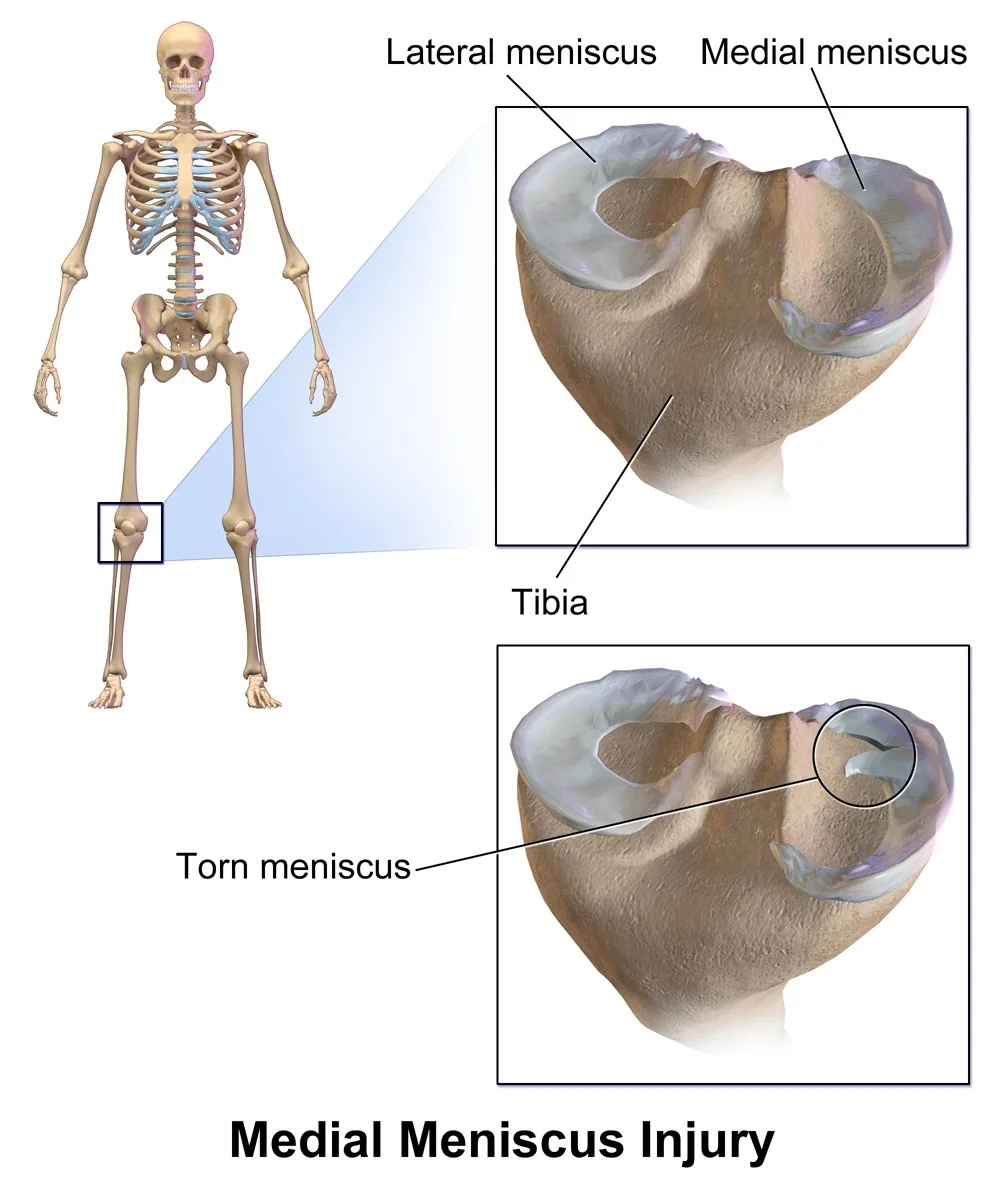
- 1A meniscus tear is damage to a cushioning pad inside the knee.
- 2Physiotherapy can help through exercise, hands-on care and graded activity.
What is a meniscus tear?
Each knee has two menisci. These are curved pads of tough, rubbery cartilage that sit between your thigh bone and your shin bone. One sits on the inner side of the knee and one on the outer side.
The menisci work like shock absorbers. They spread your body weight across the joint and help keep the knee steady. They also help it move smoothly when you walk, climb stairs or turn.
A tear means part of this cartilage has split or frayed. In younger, active people it often happens with a sudden twist. In older adults the cartilage can wear over time. A tear may then happen with a small movement or with no clear injury at all.
People with a meniscus tear often describe:
- Pain on the inner or outer side of the knee
- Swelling or stiffness in the knee
- Clicking or catching when the knee moves
- Difficulty fully bending or straightening the knee
- Pain when twisting, squatting or getting up from the floor
These problems can have other causes too, so this list is not a way to diagnose yourself. A physiotherapist can assess your knee and help work out what is likely behind your pain.
Common causes
A meniscus tear can happen in a moment or build up slowly. Common causes include:
- Twisting during sport. In football, cricket, badminton, kabaddi or basketball, turning sharply while your foot stays fixed on the ground can catch the meniscus between the bones.
- Everyday twists. Turning quickly while carrying something can be enough. So can slipping on a wet floor or twisting as you get off a two-wheeler.
- Deep bending. Rising from a deep squat or from sitting on the floor puts extra stress on the meniscus, especially with a twist.
- Gradual wear with age. As we get older, the cartilage can become less springy. A tear may then come on slowly, sometimes along with general stiffness in the joint.
Some things can add to the load on the knee. Examples are weak thigh muscles, a sudden jump in activity or an earlier knee injury. Your physiotherapist will ask about your routine to understand what may have played a part.
How physiotherapy at Mobiphysio can help
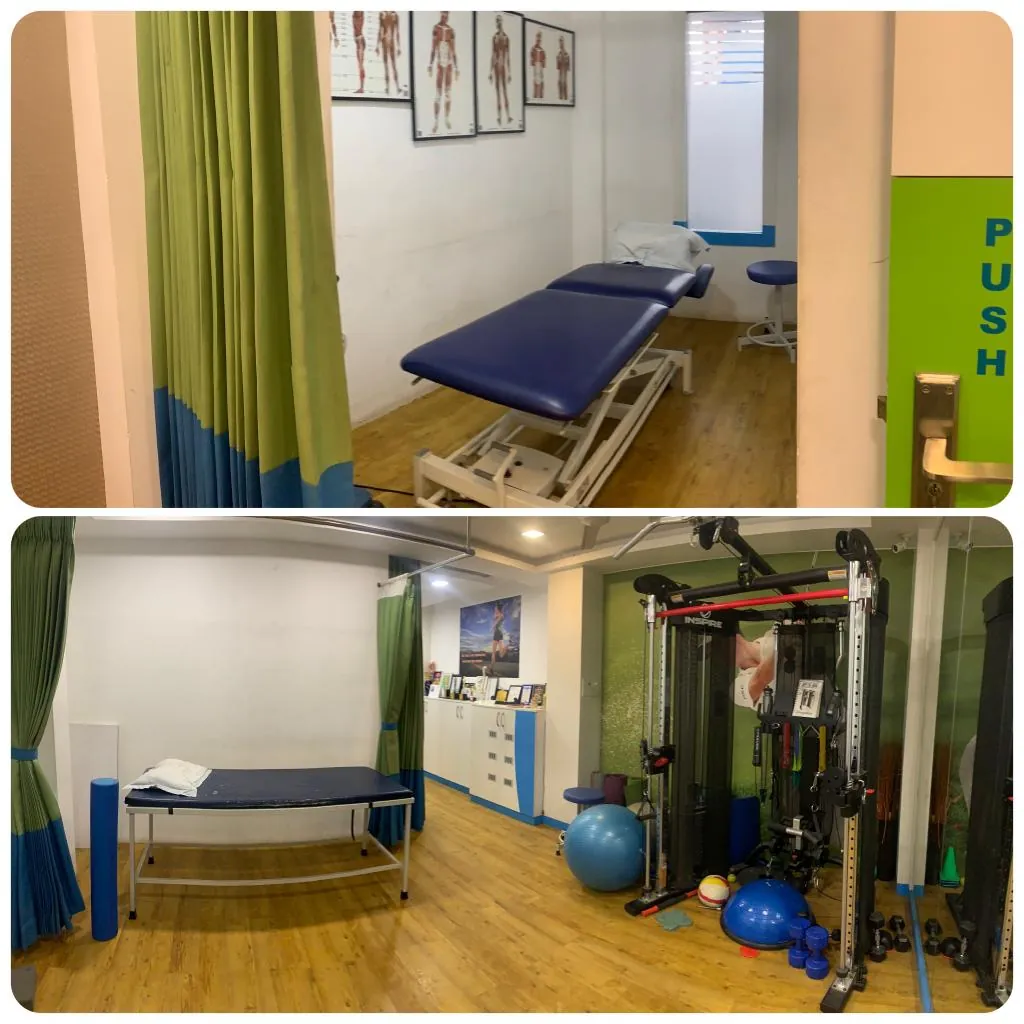
Many meniscus tears can be managed with a structured exercise plan, hands-on care and a graded return to activity. Every knee is different, so we start with a thorough assessment and build a plan around you. Your treatment is one-on-one. We explain your options so you can decide what suits you.
Your plan may include:
- Gentle movement work.Guided exercises aim to help your knee bend and straighten more comfortably.
- Strength training.Building the thigh, hip and calf muscles aims to support the knee and improve stability.
- Balance and control.Balance exercises can help the knee cope with turning, stairs and uneven ground.
- Hands-on care.Manual therapy and massage may ease pain and stiffness. Our physiotherapists use methods such as Mulligan and Stecco, chosen to suit your knee.
- Other treatments.Electrotherapy or ultrasound therapy may be used alongside exercise where they suit you. For a recent sports injury, your physiotherapist may also use cryotherapy. They may also advise on R.I.C.E. (rest, ice, compression and elevation).
- Graded return to activity.We help you build back up step by step, at a pace your knee can manage. This may start with walking and stairs, then move on to work, the gym or sport.
We aim to help you move with less pain and more confidence. Results differ from person to person, so we adjust your plan as your knee responds.
What to expect at your visits
Your first visit takes 45-60 minutes. It usually includes these steps:
- We ask how the pain started, what makes it worse and how it affects your day.
- Your physiotherapist examines your knee and how you walk and move.
- We explain what may be causing the pain and suggest a plan.
- You learn simple exercises to start with at home.
Follow-up visits take 30-45 minutes. They may include hands-on care and moving your exercises on. We also check how your knee is responding.
A few practical points:
- Bring any reports, scans or prescriptions you have.
- Our staff speak Tamil and English.
- Tell us when you book if stairs are hard for you.
Things you can try at home
These ideas are gentle and general. Move slowly and stay within a comfortable range.
- Gentle knee bends.
Sit on a chair or lie on your back. Slowly bend and straighten your knee as far as is comfortable. Repeat several times, a few times a day.
- Thigh muscle squeeze.
Sit with your leg out in front. Place a small rolled towel under your knee if that is more comfortable. Gently press the back of your knee into the towel to tighten the front thigh muscle, only as far as is comfortable. Hold for a few seconds, then relax.
- Straight leg raises.
Lie on your back with the other knee bent. Tighten the thigh of your straight leg and lift it a little way up. Lower it slowly and rest between each lift.
- Ease off twisting.
For a while, avoid deep squats and sitting cross-legged on the floor. Also avoid sharp turns while your foot stays fixed on the ground. Use a chair or a raised seat where you can.
- Listen to your knee.
Keep each movement slow and comfortable, and do not push through pain. Stop and get advice if pain gets worse.
Common questions
Can a meniscus tear be managed without surgery?
Many tears can be helped with exercise, hands-on care and a step-by-step return to activity. Every knee is different, so a physiotherapy assessment is a good first step.
Should I avoid sitting cross-legged or squatting on the floor?
Deep bending can put extra stress on a sore knee, especially with a twist. Many people find it easier to limit floor sitting, deep squats and Indian-style toilets for a while. Your physiotherapist can help you build back up to these positions if they are part of your daily life.
Why does my knee click?
Clicking can have many causes, and it is not always a problem. If it comes with pain, swelling or stiffness, a physiotherapy assessment can help work out what is going on.
Can physiotherapy help after meniscus surgery?
Physiotherapy is often part of recovery after knee surgery. We aim to help you regain movement, strength and confidence step by step. Follow your surgeon's instructions alongside your physiotherapy plan.
Do I need a doctor's referral?
No, you do not need a referral. You can book directly by WhatsApp or phone call.
Can I ask for a female physiotherapist?
Yes. You can ask for a particular physiotherapist, or a female physiotherapist, at both branches.
Book an assessment
 Mobiphysio physiotherapists · RS Puram and Goldwins
If knee pain is holding you back, a physiotherapy assessment is a good place to start. WhatsApp or call us on +91 73385 65909 to book.
Dr. T.R. Vandana, PT, and her team have 25+ years of experience in physiotherapy and have treated 3000+ patients. We offer one-on-one care at two branches:
- RS Puram: No.28, Captain Palaniswamy Layout, opposite the municipal park, RS Puram, Coimbatore 641 002
- Goldwins, Avinashi Road: 11/23, Avinashi Road, opposite Sri Sai Dental Clinic, Karuparampalayam Pirivu, Coimbatore 641 014
RS Puram is open Monday to Saturday, 10 AM to 8 PM. Goldwins is open Monday to Saturday, 8 AM to 1 PM and 4 PM to 8 PM. Both branches have ample car parking. Both are closed on Sundays and major festival days such as Pongal and Diwali.
Have a question before you book? Message us on WhatsApp or call; we will answer your questions.