
At a glance
- 1Urge incontinence: sudden strong urges, sometimes leaking before the toilet.
- 2Physiotherapy: bladder retraining, urge control and pelvic floor exercises aim to help you manage urges.
What is urge incontinence?
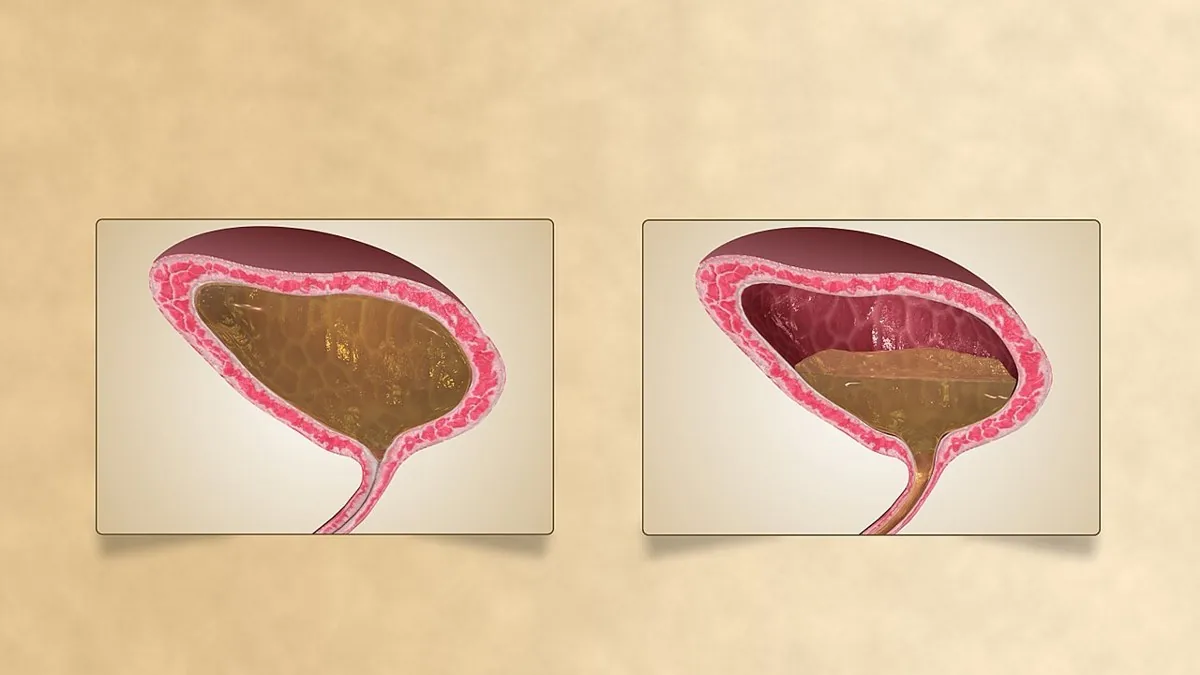
Your bladder is a stretchy bag of muscle that stores urine. As it fills, the muscle stays relaxed, and your brain gets a gentle signal that you will need to go soon. Normally you can wait until it suits you. Then the bladder squeezes and you pass urine.
With urge incontinence, the bladder muscle can start squeezing too early, before it is full and before you are ready. This brings on a sudden, strong urge that is hard to put off. Sometimes urine leaks before you reach the toilet.
You might notice that you:
- rush to the toilet many times a day
- wake at night to pass urine
- get a strong urge when you hear running water or reach your front door
- plan outings, bus journeys or temple visits around where the toilets are
- leak on the way to the toilet
This is different from leaking when you cough, sneeze or laugh, which is called stress incontinence. Some people have both. A physiotherapy assessment helps find out which type of leakage you may have.
Common causes
Bladder control depends on the bladder muscle, the nerves that link the bladder and brain, and the pelvic floor muscles. When these do not work well together, urges can come too early or be hard to hold back. Things that may play a part include:
- Bladder irritation or inflammation (cystitis), which can make the bladder squeeze sooner.
- Nervous system conditions that affect the brain, spinal cord or nerves.
- An enlarged prostate in men.
- A urinary tract infection, which can bring on urges for a while.
- Some medicines, which can increase urges. Do not stop or change any medicine on your own. Tell your physiotherapist what you take.
- Constipation, which can press on the bladder and make urges worse.
- Daily habits, such as many "just in case" toilet trips, which may get the bladder used to holding less.
- Some drinks, such as tea and fizzy drinks, which may irritate the bladder in some people.
More than one thing can play a part, and often no single clear cause is found. That is why we start with a careful assessment rather than guessing.
How physiotherapy at Mobiphysio can help
At Mobiphysio, physiotherapy for bladder control is led by Dr. T.R. Vandana, PT, and her team. We work in a supportive space where you can speak openly. Every plan starts with an assessment of what kind of leakage you have and how much it affects you, so the plan fits you.
Depending on what your physiotherapist finds, your plan may include:
- Bladder retraining.The aim is to slowly lengthen the time between toilet visits so the bladder gets used to holding more. Over time, many people find the urges become easier to manage.
- Urge-control techniques.These are simple ways to stay calm and hold on when an urge comes, such as standing still, slow breathing and quick, gentle pelvic floor squeezes. The aim is to let the urge settle so you can walk, not run, to the toilet.
- Pelvic floor exercises.Kegel exercises and similar techniques aim to strengthen and tone the pelvic floor muscles gradually. Strong muscles that you can tighten at the right moment may help you hold on when an urge comes.
- Muscle stimulation, if needed.If the exercises are hard to do, your physiotherapist may suggest electrical muscle stimulation to help build strength.
Results vary from person to person. We aim to help you understand your bladder and build habits you can keep up in daily life.
What to expect at your visits
You do not need a doctor's referral. Bring any reports, scans or prescriptions you have. If you have started a bladder diary, bring that too.
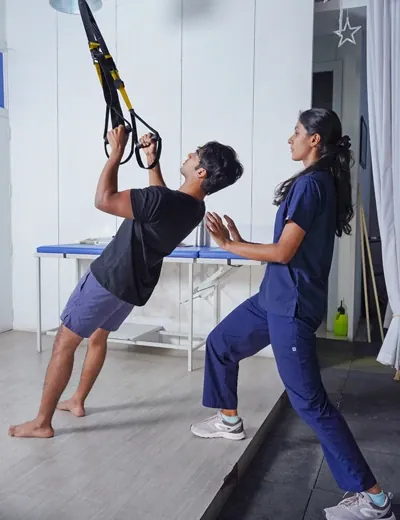
Your first visit takes 45 to 60 minutes. It begins with a private, friendly conversation about your symptoms, your history and your daily life. Your physiotherapist will also look at your posture, your breathing and how your pelvic floor muscles work.
Your physiotherapist will then explain your personalised plan step by step. You will learn exercises to practise at home, with support at each visit. We listen, and you decide.
Follow-up visits take 30 to 45 minutes. Treatment is one-on-one.
You can ask for a particular physiotherapist, or a female physiotherapist, at both branches. Our staff speak Tamil and English. Women's health sessions are one-on-one in a private room. If you are pregnant or have recently had a baby, we see you with your doctor's okay.
Things you can try at home
These ideas are gentle and suit most people. Go at your own pace.
- Keep a bladder diary.
For a few days, write down what you drink, when you pass urine and any leaks or strong urges. Bring it to your assessment, as it helps your physiotherapist see your pattern.
- Pause when urges come.
Stop, stand or sit still, and take a few slow breaths. If your physiotherapist has shown you how, do a few quick, gentle squeezes of your pelvic floor muscles. Do not hold your breath or push down. When the urge settles, walk calmly to the toilet.
- Stretch the gaps slowly.
If you go very often, try waiting a few extra minutes before you go. Add a little more time once that is comfortable, and cut down on "just in case" trips. Do not hold on to the point of pain or strong discomfort. If you find it hard to start passing urine, or your bladder never feels fully empty, ask your physiotherapist before trying this.
- Ease off certain drinks.
Try cutting down slowly on tea and fizzy drinks, and check your diary to see whether your urges change. Unless you have been told to limit how much you drink, keep drinking enough water through the day, as too little can make urine stronger.
Stop and get advice if pain gets worse, or if any step makes you uncomfortable.
Common questions
Is rushing to the toilet just part of getting older?
Sudden urges become more common as we get older, but they can affect anyone, of any age or gender. Common does not mean you must put up with them. Physiotherapy can help many people.
Should I drink less water so I leak less?
Drinking too little can make urine stronger, which may irritate the bladder. Unless you have been told to limit how much you drink, try to spread your drinks through the day instead. Your physiotherapist can help you find a pattern that suits you.
Do I have to stop drinking tea completely?
Not necessarily. Many people find that cutting down slowly is easier to keep up than stopping all at once. Your bladder diary can show whether tea makes a difference for you.
Do pelvic floor exercises help with urges, or only with leaks when I cough?
A quick, well-timed squeeze may send a signal that helps the bladder muscle relax, so pelvic floor work may help with urges too. Your physiotherapist will check how your muscles work and show you how to use them.
Can I ask for a female physiotherapist?
Yes, at both branches. Just tell us when you book on WhatsApp or by phone.
Book an assessment
 Mobiphysio physiotherapists · RS Puram and Goldwins
If sudden urges are getting in the way of work, travel or sleep, a physiotherapy assessment is a good first step. WhatsApp or call us on +91 73385 65909 to book a private visit.
We have two branches in Coimbatore, both with ample car parking:
- RS Puram: No.28, Captain Palaniswamy Layout, opposite the municipal park, RS Puram, Coimbatore 641 002 (map)
- Goldwins, Avinashi Road: 11/23, Avinashi Road, opposite Sri Sai Dental Clinic, Karuparampalayam Pirivu, Coimbatore 641 014 (map)
Mobiphysio brings 25+ years of experience in physiotherapy and has treated 3000+ patients. Message us on WhatsApp or call; we will answer your questions.